How to Propagate Woolly dutchman's pipe?
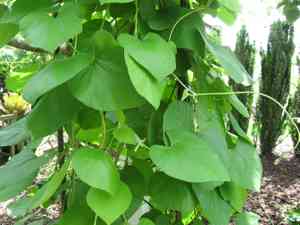
Aristolochia tomentosa is a distinctive climbing plant recognized for its peculiar blossoms and downy leaves. To multiply Aristolochia tomentosa, sections ought to be severed from vigorous stalks, making certain they encompass multiple leaf junctions. A rooting stimulant can be employed to foster root formation when placing the severed stalk into a porous potting blend. Steady dampness and warmth facilitate effective root anchoring, but refrain from excessive watering to avert decay. After rooting, the plant's upkeep should align with the standard requirements of Aristolochia tomentosa, focusing on encouraging strong development.
Optimal Time for Woolly Dutchman's Pipe Propagation
Propagation Type
Cutting
Propagation Season
Spring,Summer
Tools for Woolly Dutchman's Pipe Propagation
Pruning Shears
For taking cuttings from woolly dutchman's pipe, pruning shears must be sharp and clean to ensure a precise cut that doesn't crush plant tissues. A clean cut prevents infection and promotes faster rooting. Shears should be disinfected before each use to minimize disease spread.
Rooting Hormone
Applying rooting hormone to the cut end of woolly dutchman's pipe's stem boosts root development and increases propagation success. Hormones, in powder, liquid, or gel, stimulate root growth from the cut, leading to stronger, quicker establishment.
Potting Mix
A well-draining, sterile potting mix suitable for woolly dutchman's pipe provides an ideal environment for root growth. A mix for cuttings typically contains peat moss or perlite, which helps retain moisture and allows excess water to drain, preventing root rot.
Propagation Tray
This shallow container holds woolly dutchman's pipe cuttings in a stable setting, ensuring even moisture and warmth distribution, vital for root development. Trays can be covered with a clear plastic dome or wrap to maintain humidity, creating a mini-greenhouse effect.
Misting Bottle
A misting bottle is essential to maintain air moisture around woolly dutchman's pipe cuttings, especially when covered. Regular misting keeps cuttings from drying out without over-saturating the soil, providing ideal humidity for rooting.
Propagating Woolly Dutchman's Pipe
Propagation Type
Moderately Difficult
Caring for Newly Propagated Woolly Dutchman's Pipe
Caring for Newly Propagated Woolly Dutchman's Pipe
After successful propagation of woolly dutchman's pipe, ensure continued care by planting it in a shaded or partially shaded area as it prefers indirect sunlight. Maintain soil moisture without waterlogging, using mulch to help retain soil moisture. Regularly check for pests, especially aphids and spider mites. Fertilize annually in the spring with a balanced, slow-release fertilizer to support healthy growth and development.
Common Propagation Mistakes for Woolly Dutchman's Pipe
Overwatering
Excessive watering of woolly dutchman's pipe seeds or cuttings can lead to fungal growth and root rot. This damages the plant's root system, hindering healthy development and potentially causing plant death.
Deep planting
Planting woolly dutchman's pipe seeds too deeply can prevent germination as they may not be able to break through the soil surface to access necessary light and air, crucial for initial growth stages.
Neglecting humidity
Failing to maintain a humid environment for woolly dutchman's pipe cuttings can cause them to dry out before they establish roots, severely decreasing propagation success rates.
Using old seeds
Using old or improperly stored woolly dutchman's pipe seeds can result in low germination rates, as seed viability decreases with time and suboptimal storage conditions.
Tips For Propagating Woolly Dutchman's Pipe
Appropriate soil mix
Use a well-draining soil mix rich in organic material for propagating woolly dutchman's pipe. This promotes good root growth and prevents waterlogging, allowing a healthy root system to develop.
Maintain moist conditions
Keep the soil consistently moist but not waterlogged when propagating woolly dutchman's pipe. This balance is crucial to support the initial growth without causing root diseases.
Use rooting hormone
When propagating woolly dutchman's pipe from cuttings, applying a rooting hormone to the cut ends can significantly enhance rooting success by stimulating root growth and development.
Provide indirect light
Place woolly dutchman's pipe seeds or cuttings in a location with bright, indirect light. Direct sunlight can scorch young plants, while too little light can inhibit their growth.



