How to Propagate Horseradish?
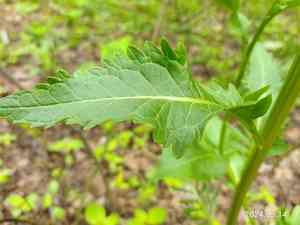
The most effective period for multiplying Horseradish is in springtime, employing tubers sourced from an established specimen. This propagation method is quite straightforward, and successful establishment is indicated by the emergence of fresh foliage. Ensure the tubers are set in soil that drains efficiently.
Optimal Period for Horseradish Propagation
Propagation Method
Utilize The Tubers
Propagation Season
Spring
Tools Required for Horseradish Propagation
Sharp Knife or Garden Shears
An incisive knife or a pair of garden shears is essential for obtaining cuttings from the parent plant. For horseradish, precise, clean cuts are vital to remove a root section (tuber) without unnecessary harm. A sharp implement ensures a smooth cut, minimizing disease entry at the wound site.
Trowel or Spading Fork
These instruments are employed to gently extract tubers from the soil without causing damage. A trowel suits small-scale propagation, while a spading fork is useful for larger plants. For horseradish, a resilient perennial, careful tuber extraction is key to prevent breakage, which could impair regeneration.
Pruning Saw
For mature horseradish plants with dense, woody roots, a pruning saw might be necessary to divide the roots into segments. This tool facilitates handling larger root masses without excessive force, reducing stress on both the plant and the propagator.
Gardening Gloves
Wearing gloves safeguards the propagator's hands from the potent irritants present in horseradish sap. It also provides a better grip on tools and plant material during the propagation process.
Rooting Hormone
Though not always mandatory, a rooting hormone can stimulate quicker root development when propagating horseradish via tubers. Dipping the tuber's cut end into the hormone can boost growth and enhance the overall propagation success rate.
Misting Bottle
A crucial tool for maintaining humidity around new cuttings, especially if they are started in pots before outdoor planting. Propagating horseradish from cuttings benefits from consistent moisture, which promotes root development without waterlogging.
Propagating Tray
Ideal for initiating multiple tuber cuttings in a controlled setting. A propagating tray with drainage holes offers an organized approach and prevents waterlogging, which is vital for successful horseradish cutting rooting.
Soil Thermometer
Monitoring soil temperature can significantly influence root development success. Horseradish prefers a soil temperature range that isn't too cold, as it can impede or halt rooting. A soil thermometer ensures an optimal propagation environment.
Watering Can with a Fine Rose
A gentle watering technique is critical when newly planted tubers are establishing. A watering can with a fine rose attachment allows for soft water distribution, reducing the risk of soil erosion or displacement of horseradish cuttings.
How to Propagate Horseradish?
Propagation Type
Utilize The Tubers
Difficulty Level
Easy
Caring for Newly Propagated Horseradish
Caring for Newly Propagated Horseradish
Post-propagation, horseradish demands consistent care for optimal growth. Keep the soil consistently moist but avoid saturation, as horseradish dislikes waterlogged conditions. Lightly fertilize with a balanced, all-purpose fertilizer once well-established, typically a month after sprouting. Horseradish also benefits from regular weeding. Once foliage is developed, reduce watering to prevent root rot. Horseradish is ready for harvest in late fall, after foliage senescence. For overwintering, heavily mulch with straw or other organic material to protect roots in cold climates.
Common Errors to Avoid During Horseradish Propagation
Overwatering
Excessive watering can cause root rot in horseradish, which thrives in well-drained soil. Saturated conditions can be detrimental to the roots and impede plant growth.
Inadequate spacing
Planting horseradish too closely can diminish air circulation and light penetration, fostering disease and hindering root development.
Incorrect root part planting
Using thin, fibrous roots instead of thick, fleshy roots for propagation is an error, as the latter are the ones that effectively develop into new horseradish plants.
Neglecting flower removal
Allowing horseradish to bloom and produce seeds can reduce the vigor of the roots, which are the harvested portion of the plant. Flowering diverts energy from root development.
Tips for Propagating Horseradish
Root cutting selection
Choosing healthy, thick, and disease-free root cuttings from horseradish will ensure robust growth and a higher likelihood of successful propagation.
Soil preparation
Preparing loose, well-draining soil rich in organic matter will provide horseradish with the ideal conditions for root expansion and growth.
Horizontal planting
Laying horseradish root cuttings horizontally can encourage more shoots to emerge, increasing the number of plants that can be propagated from a single root piece.
Keeping soil moist
Maintaining consistent soil moisture (without overwatering) is crucial for horseradish root cuttings to establish and develop into healthy plants.



