How to Propagate Black chokeberry?
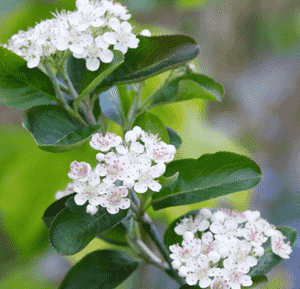
Aronia melanocarpa is best multiplied in the fall and winter seasons, primarily utilizing cuttings and layering techniques. This process presents a moderate challenge, with the emergence of new foliage and stems signifying successful propagation. Perseverance and diligent moisture control are essential for favorable outcomes.
When Is the Optimal Time to Propagate Black Chokeberry?
Propagation Method
Cutting
Propagation Period
Autumn,Winter
What Equipment Is Used for Black Chokeberry Propagation?
Pruning Shears
Sharp, clean pruning shears are vital for taking cuttings from black chokeberry. They enable a precise, clean cut that avoids crushing plant tissues, which is essential for successful rooting. Sterilized shears also reduce the risk of introducing pathogens to the cutting.
Rooting Hormone
Rooting hormone is applied to the cut end of black chokeberry cuttings to stimulate root development. It contains synthetic auxins or natural growth substances that encourage faster and more dependable root initiation, boosting the chances of successful propagation.
Potting Medium
A sterile, well-draining potting medium offers an ideal environment for root growth without the disease risk associated with garden soil. A blend of peat, perlite, and sand is often suitable for black chokeberry, providing the right balance of moisture retention and aeration.
Propagation Trays or Pots
Specifically designed for starting new plants, these containers hold the potting medium and provide a stable environment for black chokeberry's cuttings to grow. They must have adequate drainage holes to prevent waterlogging, which can harm delicate new roots.
Plastic Covers or Propagation Domes
Help maintain high humidity around black chokeberry cuttings, which is crucial for preventing water loss through transpiration. A consistent, humid environment ensures the cuttings do not dry out before they can establish roots.
Heat Mat
Providing gentle bottom heat can significantly improve root formation in black chokeberry cuttings, especially in cooler environments. A heat mat enhances success rates by maintaining an ideal soil temperature, thus promoting faster and more vigorous root growth.
Misting System
A misting system can be essential for keeping humidity levels consistent around black chokeberry cuttings. It periodically releases a fine spray of water, which reduces water stress on the cuttings and aids in preventing desiccation.
How to Care for Your Newly Propagated Black Chokeberry?
How to Care for Your Newly Propagated Black Chokeberry?
After propagation, gradually acclimate the black chokeberry plants to their permanent outdoor location. Ensure they are planted in well-draining soil with full sun to partial shade. Water thoroughly, especially during dry periods, and apply mulch to retain soil moisture and suppress weeds. Fertilize in early spring with a balanced fertilizer and prune annually to maintain shape and encourage fruiting.
Common Errors to Avoid When Propagating Black Chokeberry
Ignoring soil quality
Using poor quality soil for black chokeberry can hinder root development and nutrient absorption, leading to weak growth or plant failure.
Overwatering cuttings
Excessive moisture can cause rooting cuttings of black chokeberry to rot before they establish, resulting in propagation failure.
Cutting size neglect
Using too large or small cuttings can affect the rooting success and the overall health of black chokeberry cuttings.
Improper use of rooting hormones
Excessive or insufficient application of rooting hormones can either damage black chokeberry cuttings or fail to stimulate root growth.
Neglecting hygiene
Not sterilizing tools or containers can introduce diseases to black chokeberry, severely diminishing propagation success.
Tips For Propagating Black Chokeberry
Select healthy parent plants
Healthy, disease-free specimens provide the best material for black chokeberry propagation, ensuring vigorous and robust offspring.
Use well-draining soil
A well-draining soil mix supports black chokeberry cuttings by providing proper aeration and moisture balance for root formation.
Optimal cutting size
Cuttings of around 4-6 inches with several nodes increase the chances of successful rooting for black chokeberry.
Rooting hormone application
Correctly applying a rooting hormone to black chokeberry cuttings can significantly enhance root development.
Maintain proper humidity
Creating a humid environment for black chokeberry cuttings, such as using a humidity dome, can prevent them from drying out before rooting.



