How to Propagate California sagebrush?
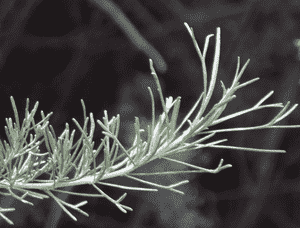
The most suitable period for propagating california sagebrush is during the spring and summer months, with stem cuttings being the favored technique. This propagation process is relatively straightforward, and the emergence of new foliage signifies successful root development. Utilize a growing medium that drains effectively to achieve the best outcomes.
Optimal Period for California Sagebrush Propagation
Propagation Method
Cutting
Propagation Period
Spring, Summer
Tools for California Sagebrush Propagation
Sharp Pruning Shears
Essential for taking cuttings from california sagebrush, sharp pruning shears ensure a clean cut that minimizes damage to the parent plant and the cutting itself, reducing the risk of disease and improving the cutting's chances of rooting.
Rooting Hormone
Applied to the cut end of california sagebrush cuttings, rooting hormone can significantly increase the likelihood of successful root development by stimulating root growth at the cut site. This is particularly beneficial since california sagebrush can sometimes root slowly or with difficulty.
Sterile Potting Mix
Using a sterile potting mix when propagating california sagebrush by cuttings inhibits the growth of pathogens that could potentially harm the cutting before it establishes roots, ensuring a healthier propagation environment.
Propagation Trays or Pots
Suitable for holding the cuttings of california sagebrush in place, these trays or pots filled with sterile potting mix allow for proper aeration and drainage, which is essential for the health of the developing roots.
Plastic Covers or Domes
Maintaining a high humidity environment around california sagebrush cuttings is crucial for preventing excessive moisture loss from the foliage. Plastic covers or domes over the trays or pots help achieve this by trapping moisture in the air.
Heating Mats
For plant species like california sagebrush that benefit from a consistent and slightly warmer rooting temperature, heating mats provide gentle heat to the base of propagation trays, encouraging faster and more uniform root growth.
Misting System or Spray Bottle
Ensuring that the cuttings of california sagebrush do not dry out is crucial. A misting system or a simple spray bottle can be used to lightly mist the cuttings, helping to maintain the necessary humidity without overwatering.
How to Propagate California Sagebrush?
Propagation Method
Cutting
Difficulty Level
Easy
Caring for Newly Propagated California Sagebrush
Caring for Newly Propagated California Sagebrush
California sagebrush is relatively drought-tolerant and prefers well-draining soil and full sun. After propagation, water the young plants deeply but infrequently, allowing the soil to dry out between watering. California sagebrush generally does not require fertilization. Continue to monitor for pests and diseases as the plant establishes itself. Prune the california sagebrush occasionally to promote dense, bushy growth and to maintain its desired shape and size.
Common Mistakes to Avoid When Propagating California Sagebrush
Overwatering
Watering california sagebrush too frequently can lead to root rot, as it prefers drought-like conditions. Excessive moisture can stress the plant and cause a decline in health, impeding propagation efforts.
Inadequate drainage
Planting california sagebrush's cuttings in soil without proper drainage can trap water around the roots, contributing to fungal diseases and poor root development.
Deep planting
Inserting cuttings of california sagebrush too deeply into the propagation medium can prevent adequate oxygenation, reducing the chances for rooting and growth.
Using non-sterilized tools
Cutting california sagebrush for propagation with non-sterilized tools can introduce pathogens, which may impair proper rooting and plant development.
Tips For Propagating California Sagebrush
Proper cutting selection
Choose healthy and vigorous semi-woody cuttings from california sagebrush for propagation. This increases the likelihood of successful rooting and growth.
Ideal soil mix
Use a well-draining soil mix, preferably with sand and organic matter, to support the rooting of california sagebrush while providing enough aeration.
Moisture control
Keep the soil consistently moist but not waterlogged during the initial rooting period of california sagebrush to encourage root formation without risking rotting.
Indirect lighting
Position california sagebrush's cuttings in a location with indirect sunlight to prevent scorching while providing the necessary light for growth.



