How to Propagate White sagebrush?
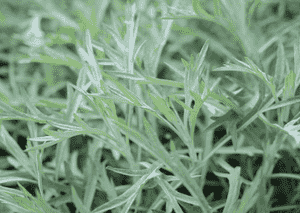
White sagebrush is most effectively multiplied by separating its root ball in either spring or fall. This propagation method can present a moderate level of difficulty. Indicators of successful propagation include the emergence of fresh shoots and the formation of new roots. Optimal outcomes depend on providing suitable soil and adequate moisture levels.
Optimal Period for White Sagebrush Propagation
Propagation Method
Division
Propagation Period
Spring, Autumn
Tools for White Sagebrush Propagation
Gardening Gloves
Gloves safeguard hands from sharp plant parts and potential soil pathogens. They are essential when handling white sagebrush to minimize skin irritation from the plant's oils and maintain cleanliness.
Sharp Garden Spade or Knife
Utilized to precisely divide the root ball of white sagebrush with minimal plant damage. A sharp tool ensures clean cuts, promoting better root recovery and reducing disease risk.
Rooting Hormone (optional)
White sagebrush can benefit from rooting hormone to aid root development on newly divided sections. This accelerates root establishment, though white sagebrush may also propagate successfully without it.
Watering Can
Delivers gentle water to new white sagebrush divisions, ensuring the soil is adequately moist without disturbing delicate new roots or washing away rooting hormone if applied.
Potting Mix
A well-draining, nutrient-rich potting mix is vital for the initial growth phase post-division, allowing for proper root expansion and aeration that white sagebrush needs for healthy development.
Planting Pots
These are necessary to house each white sagebrush division, providing a controlled environment for growth monitoring and ensuring pots have sufficient drainage to prevent waterlogging, which white sagebrush tolerates poorly.
Plant Labels
Crucial for cataloging and tracking different white sagebrush divisions, especially when propagating multiple plants or varieties. Helps monitor growth progress and care needs for each individual division.
How to Propagate White Sagebrush?
Propagation Method
Division
Difficulty Level
Easy
How to Care for Your Newly Propagated White Sagebrush?
How to Care for Your Newly Propagated White Sagebrush?
Post-propagation, white sagebrush requires ample sunlight and well-drained soil. Water sparingly, allowing the soil to dry between waterings, as white sagebrush is drought-resistant. Minimal fertilization is necessary; apply a balanced, slow-release fertilizer lightly in spring. Prune dead or damaged stems in late winter to maintain plant health and form. Monitor for pests and diseases, though white sagebrush is quite resistant to both. Mulching is optional but can help retain moisture and suppress weeds.
Common Mistakes to Avoid When Propagating White Sagebrush
Overwatering
Providing white sagebrush with too much water can lead to root rot because this species is adapted to drier conditions. Overwatering can suffocate roots, reduce oxygen, and encourage fungal diseases, compromising plant health and reducing the likelihood of successful propagation.
Using poor draining soil
Planting white sagebrush in soil that doesn't drain well can retain excess moisture around the roots, similar to overwatering. This error can lead to fungal growth and root diseases, hindering healthy root development and propagation success.
Excessive fertilization
White sagebrush is adapted to low-fertility environments, and applying too much fertilizer can cause an imbalance in soil nutrients, potential root burn, and poor plant growth, ultimately affecting propagation efforts.
Ignoring spacing requirements
Propagating white sagebrush without considering proper spacing can lead to crowded growing conditions, which may result in competition for resources, poor air circulation, and increased risk of pest and disease issues.
Tips For Propagating White Sagebrush
Soil preparation
Prepare a well-draining soil mix to mimic white sagebrush's natural habitat. This will encourage healthy root growth and prevent waterlogging, which is critical for successful propagation.
Cutting selection
Select healthy, disease-free stem cuttings for propagation. Cut just below a node as this is where new roots are more likely to develop, increasing the chances of successful rooting.
Humidity control
Maintain moderate humidity around white sagebrush cuttings to prevent them from drying out, but ensure adequate ventilation to prevent excessive moisture and fungal infections.
Rooting hormone usage
Using a rooting hormone on the cut end of white sagebrush cuttings can promote quicker and more uniform root development, enhancing the overall propagation success rate.



