How to Propagate Small carpetgrass?
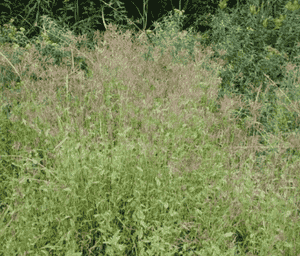
Small carpetgrass is a adaptable and robust grass variety valued for its capacity to thrive in diverse environments. The main technique for propagating small carpetgrass entails planting seeds. To achieve successful growth, guarantee thorough seedbed preparation by maintaining the soil uniformly damp, avoiding excessive wetness, to facilitate sprouting. Peak development occurs in soils that drain effectively, coupled with routine care such as cutting to stimulate expansion and deter excessive growth. Consistent inspection for infestations and ailments will aid in preserving the vitality and strength of small carpetgrass.
Optimal Time for Small Carpetgrass Propagation
Propagation Method
Seeding
Propagation Period
Spring
Tools for Small Carpetgrass Propagation
Seedling Trays
Seedling trays are vital for the seeding process of small carpetgrass. They enable numerous seeds to be planted in structured compartments, promoting efficient space and resource utilization. The individual cells in these trays help maintain essential air circulation and soil drainage, crucial for small carpetgrass's germination and initial development.
Fine-Grained Soil Mix
A fine-textured soil blend suitable for grasses offers the perfect consistency and nutrient balance for small carpetgrass's seeds. This soil type ensures good seed-to-soil contact, improving water retention without causing saturation, thereby boosting germination rates.
Misting Bottle
A misting bottle is essential for gently hydrating small carpetgrass seeds without disturbing their position in the soil. It ensures adequate moisture for germination without eroding the soil or exposing the seeds, which could diminish germination success.
Heat Mats
Heat mats provide a steady warmth source, important for maintaining an optimal soil temperature. This enhances the germination rate and vitality of small carpetgrass during its critical early stages. Heat mats are especially useful in colder climates or environments where maintaining a consistent temperature is difficult.
Grow Lights
If starting propagation indoors or in low-light conditions, grow lights are beneficial for small carpetgrass. These lights help provide sufficient illumination for photosynthesis during the early growth phases, ensuring seedlings develop robustly and healthily even without natural sunlight.
Labeling Sticks
Labeling sticks assist in identifying and organizing various batches of small carpetgrass during propagation. This organization is important for tracking growth stages and any specific care or treatment different batches may require.
How to Propagate Small Carpetgrass?
Propagation Type
Simple
Caring for Your Newly Propagated Small Carpetgrass
Caring for Your Newly Propagated Small Carpetgrass
Post-propagation, small carpetgrass thrives in full sun to partial shade and requires consistent watering for proper establishment. Ensure good drainage to prevent root rot. Light fertilization during the growing season can encourage healthier growth and spread. Regular mowing might also be necessary to keep growth manageable and visually appealing.
Common Errors to Avoid When Propagating Small Carpetgrass
Overwatering
Excessive watering can lead to root rot in small carpetgrass, as it prefers moderate moisture levels. Waterlogged soil deprives roots of oxygen, hindering their ability to absorb vital nutrients and air.
Poor light conditions
Placing small carpetgrass in overly shaded or excessively sunny spots can impede its development. Insufficient light stunts growth, while too much direct sunlight can scorch the foliage.
Using unsterilized tools
Cutting or handling small carpetgrass with unclean tools can introduce harmful pathogens, leading to diseases that can severely impact propagation success.
Tips For Propagating Small Carpetgrass
Soil preparation
Ensuring a well-drained soil mixture will improve the root health of small carpetgrass. A blend of loam, sand, and organic compost is ideal for supporting its growth.
Proper spacing
Giving small carpetgrass adequate room to grow helps prevent competition for resources and reduces the spread of pests and diseases among the plants.
Regular monitoring
Keeping a close watch on small carpetgrass for signs of pests and diseases can help in taking timely actions to mitigate any issues. Early detection and treatment can significantly increase the chances of successful propagation.



