How to Propagate Wild ginger?
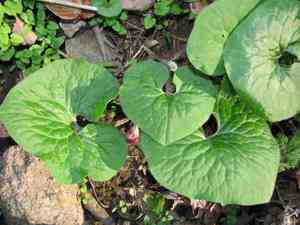
During spring or autumn, wild ginger is most effectively multiplied by dividing its rootstock, a process generally considered straightforward. The emergence of fresh leaves indicates successful propagation. For improved outcomes, confirm that each division includes a sufficient portion of the root system.
Optimal Time for Wild Ginger Propagation
Propagation Method
Division
Propagation Period
Spring, Autumn
Tools for Wild Ginger Propagation
Sharp Pruning Shears
Sharp pruning shears are vital for making clean cuts when dividing wild ginger, minimizing plant damage. These shears enable efficient rhizome splitting, promoting rapid healing and lowering infection risk at cut sites.
Soil Knife
A soil knife is useful for loosening soil around wild ginger without excessive root disturbance. This tool aids in gently lifting the plant for division, preserving as much of the root system as possible.
Sterile Potting Mix
A high-quality sterile potting mix offers an ideal growth medium for newly divided wild ginger. It prevents pathogen and pest introduction that could hinder growth and ensures essential nutrients for young plants.
Watering Can with Fine Rose
A watering can with a fine rose attachment is important for gentle, even water distribution, crucial for wild ginger establishment after division. This ensures proper soil moisture without dislodging or compacting soil around new divisions.
Garden Fork
A garden fork can be used to carefully lift and separate wild ginger clumps without severing rhizomes. Its tines are designed to move through soil, reducing mechanical damage during division.
Plant Labels and Marker
Plant labels and a marker are practical for tracking propagation stages and specific needs of newly divided wild ginger. Labeling helps monitor growth progress and individual care requirements for each division.
Steps to Propagate Wild Ginger
Propagation Method
Division
Difficulty Level
Easy
Caring for Newly Propagated Wild Ginger
Caring for Newly Propagated Wild Ginger
After propagation, place wild ginger in a shaded or partly shaded area, mimicking its natural forest habitat. Maintain consistent soil moisture without overwatering, and apply organic mulch to retain moisture and provide nutrients. Avoid harsh sun exposure and strong winds. Monitor for growth or distress signs, adjusting care as needed. Fertilize sparingly in spring with a balanced, slow-release fertilizer if growth is slow. With proper care, wild ginger should establish well and gradually spread, forming a lush ground cover.
Common Errors to Avoid When Propagating Wild Ginger
Overwatering
Watering wild ginger too often or allowing it to sit in wet soil can lead to root rot, a fatal condition for many plants. Excessive moisture around roots reduces available oxygen, potentially killing the plant.
Deep planting
Planting wild ginger divisions or rhizomes too deeply hinders proper root and shoot development. This can result in weak growth or even prevent the plant from emerging.
Ignoring soil composition
Wild ginger needs well-drained soil rich in organic matter. Using an unsuitable soil mix can impede root growth, affecting the plant's health and spread.
Overcrowding
Planting wild ginger too close together can restrict air circulation, encourage disease, and lead to nutrient competition, which negatively impacts the plant's overall growth and vigor.
Advice for Propagating Wild Ginger
Moderate division
Careful division of wild ginger's rhizomes is crucial for propagation. Ensuring each segment has at least one growth point and not disturbing the plant too often are key for sustainable growth.
Moisture balance
Maintaining consistently moist soil, especially after propagation, helps wild ginger establish itself. However, it is vital to prevent waterlogging by ensuring good drainage.
Soil enrichment
Before propagating wild ginger, amend soil with compost or leaf mold to optimize fertility and texture. This helps mimic the plant's natural forest floor habitat and promotes healthy growth.
Adequate spacing
Placing wild ginger divisions at appropriate intervals allows for sufficient air flow and nutrient access, facilitating robust development and reducing the risk of disease.



