How to Propagate Japanese laurel?
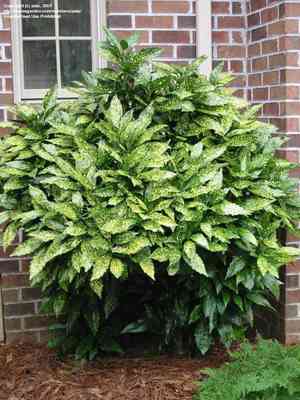
The reproduction of Japanese laurel is predominantly achieved via cuttings throughout the warmer periods of spring and summer. This method presents a moderate level of difficulty, with the emergence of new foliage signifying successful propagation. A moist atmosphere is crucial for the best outcomes.
Optimal Time for Japanese Laurel Propagation
Propagation Method
Cutting
Propagation Period
Spring, Summer
Essential Tools for Japanese Laurel Propagation
Sharp Pruning Shears
Sharp pruning shears are vital for taking cuttings from japanese laurel. They must be keen to ensure a clean incision, which helps prevent infection and promotes better rooting. Precision is key to avoid harming both the parent plant and the cutting.
Rooting Hormone
A rooting hormone can boost the chances of successful root formation in japanese laurel cuttings. It stimulates root growth and aids in protecting the cut area from pathogens.
Sterilizing Agent
Tools and work surfaces must be disinfected before use to prevent contamination and disease. Sterilizing agents such as alcohol or bleach solutions can be utilized to clean pruning shears and other implements.
Propagation Medium
A well-draining, sterile propagation medium is necessary for japanese laurel cuttings to root successfully. This medium should offer a balance of aeration and moisture retention to support new root growth without causing decay.
Humidity Dome or Plastic Bag
Maintaining high humidity around japanese laurel cuttings is crucial during root development. A humidity dome or clear plastic bag can be placed over the cuttings to retain atmospheric moisture, simulating a greenhouse environment.
Plant Pots or Trays
Small pots or trays are needed to hold the propagation medium and cuttings. They should feature drainage holes to allow excess water to escape, which will help prevent root rot in japanese laurel cuttings.
Heating Mat (Optional)
An optional heating mat can provide consistent bottom warmth to japanese laurel cuttings, which can encourage faster root development, especially in cooler temperatures.
How to Propagate Japanese Laurel?
Propagation Type
Cutting
Difficulty Level
Moderately Difficult
Caring for Your Newly Propagated Japanese Laurel
Caring for Your Newly Propagated Japanese Laurel
After successful propagation, maintain consistent moisture for the young japanese laurel plants, but be careful to avoid overwatering. Provide bright, indirect light and shield from intense sun. Gradually acclimate plants by exposing them to outdoor conditions over 1-2 weeks before transplanting them to their permanent spot. Choose a garden location with well-draining soil and partial shade, as japanese laurel prefers these conditions. Fertilize lightly with a balanced, slow-release fertilizer in early spring to encourage healthy growth. Pruning is not necessary initially but can be done to shape the plant as it matures. Monitor for pests and diseases, and treat as needed following recommended horticultural practices.
Common Errors to Avoid When Propagating Japanese Laurel
Neglecting high humidity levels
Propagation environments for japanese laurel should maintain elevated humidity. Ignoring this can lead to desiccation of cuttings before they can establish roots, hindering successful propagation.
Overwatering
While japanese laurel cuttings require moist conditions, excessive water can cause decay. Overwatering may result in fungal infections and damping-off, compromising the health of the cutting.
Using dull cutting tools
Dull tools when taking cuttings of japanese laurel can damage tissues and impede healing, increasing susceptibility to disease and reducing the likelihood of successful rooting.
Ignoring soil composition
Using an unsuitable soil mixture can prevent the cuttings of japanese laurel from rooting properly or cause waterlogging, which is detrimental to new root growth.
Tips For Propagating Japanese Laurel
Rooting hormone application
Applying a rooting hormone to the cut end of japanese laurel cuttings can significantly enhance root development, giving them a better chance of establishing.
Selecting healthy parent plants
Taking cuttings from vigorous and disease-free parent japanese laurel plants ensures the best genetic potential for strong growth in the progeny.
Adequate light exposure
Providing gentle, indirect light for japanese laurel cuttings supports photosynthesis without causing overheating or leaf scorch, which is crucial for the formation of new roots.
Sterilizing equipment
Cleaning and sterilizing all equipment before cutting japanese laurel reduces the risk of transmitting diseases to the cuttings, making successful propagation more likely.



