How to Propagate Black mustard?
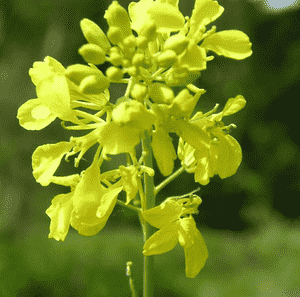
Cultivating black mustard is most effectively achieved by planting seeds in the springtime, ensuring straightforward propagation. Indicators of successful cultivation involve vigorous seedling development. Prioritize consistent moisture and adequate light exposure to achieve the best outcomes.
When Is the Optimal Time to Propagate Black Mustard?
Propagation Method
Seeding
Propagation Period
Spring
What Equipment Is Used for Black Mustard Propagation?
Seed trays or flats
Seed trays improve organization and offer an ideal setting for black mustard seeds to sprout. Each cell provides individual space for seeds, minimizing root disruption for healthier seedlings during transplanting.
Fine vermiculite or seed-starting mix
This sterile growing medium promotes air circulation and moisture retention, crucial for black mustard germination. Its fine texture suits small seeds, ensuring good contact with the medium for better germination rates.
Misting bottle or gentle watering can
These tools ensure careful watering that doesn't disturb or dislodge black mustard seeds. Consistent moisture is vital for germination, and a fine mist or gentle sprinkle from a watering can with a fine rose attachment achieves this without erosion or pooling.
Heat mat
Providing warmth from below speeds up black mustard germination by maintaining a steady soil temperature. Black mustard seeds germinate best in warm conditions, and a heat mat ensures this environment remains stable.
Grow lights or a sunny location
Once black mustard seeds have sprouted, sufficient light is essential for seedling development. Grow lights offer controlled exposure to simulated sunlight, beneficial for areas with inconsistent natural light.
Labeling stakes or markers
These tools allow for clear identification of black mustard seedlings, especially useful when cultivating multiple species. Proper labeling prevents confusion and ensures appropriate care for each seedling type.
Hand trowel
A hand trowel is used to move black mustard seedlings to larger pots or outdoor beds. Its small size permits precise and careful digging, reducing harm to the young plants' roots.
How to Propagate Black Mustard?
Propagation Method
Seeding
Difficulty Level
Easy
How to Care for Your Newly Propagated Black Mustard?
How to Care for Your Newly Propagated Black Mustard?
After successful propagation, continue to provide black mustard with regular watering, especially during dry periods. Fertilize with a balanced fertilizer according to package instructions to encourage robust growth. Control weeds around black mustard to reduce competition for nutrients and water. As black mustard grows, it may require staking if they become top-heavy. Harvest the seeds when the pods mature and dry for culinary use or for subsequent propagation cycles.
Common Mistakes to Avoid When Propagating Black Mustard
Ignoring soil quality
Gardeners might underestimate the importance of well-draining soil for black mustard, leading to waterlogging that can cause root rot and hinder germination.
Overcrowding seeds
Sowing black mustard seeds too close together can result in inadequate air circulation and limited resources, weakening the plants.
Neglecting weed control
Failing to manage weeds around black mustard can lead to competition for nutrients, water, and light, which compromises the health and growth of black mustard.
Overlooking pest management
Gardeners might neglect the possibility of pest infestation. Pests can severely damage black mustard, impeding its growth and propagation.
Improper watering
Both overwatering and underwatering black mustard can cause issues. Overwatering can lead to fungal diseases, whereas underwatering might lead to drought stress.
Tips For Propagating Black Mustard
Proper seed depth
Plant black mustard seeds at an appropriate depth, generally twice the diameter of the seed, to ensure adequate moisture and successful germination.
Adequate spacing
Ensure to space black mustard seeds properly to allow for optimal growth and air circulation, preventing fungal diseases and weak growth.
Soil preparation
Enrich the planting site with compost or well-rotted manure to provide black mustard with essential nutrients for vigorous growth.
Pest monitoring
Regularly check black mustard for signs of pests and manage infestations promptly to protect the plants during crucial growth stages.
Consistent watering
Provide black mustard with consistent moisture, especially during germination and growth periods, but avoid waterlogging to prevent root diseases.



