How to Propagate Siberian bugloss?
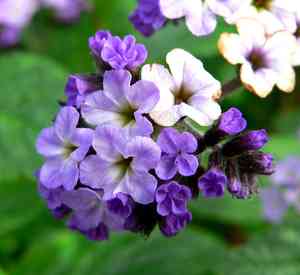
Brunnera macrophylla is most effectively multiplied by dividing its clumps in the prime periods of Spring and Autumn. This technique might demand a moderate amount of exertion, yet indicators of success encompass the emergence of new roots and robust plant health. Prevent overwatering to guarantee a thriving propagation.
Optimal Time for Siberian Bugloss Propagation
Propagation Method
Division
Propagation Period
Spring, Autumn
Tools for Siberian Bugloss Propagation
Garden Fork or Spade
Utilized for carefully excavating siberian bugloss without harming its root structure. A fork is preferred for its reduced likelihood of severing roots, though a spade can be used cautiously. Its broad, flat surface aids in lifting the plant from the soil.
Sharp Knife or Pruners
Crucial for cleanly separating the root ball of siberian bugloss. Sharpness ensures precise cuts, promoting better root recovery and minimizing damage. Pruners are ideal for smaller roots, while a knife suits thicker sections.
Gloves
Shield the propagator's hands from dirt and any sharp plant parts when handling siberian bugloss. They also enhance grip on tools and the plant during the division process.
Watering Can or Hose with a Gentle Spray Setting
Employed to hydrate newly planted siberian bugloss divisions, preventing dehydration. Gentle watering helps the soil settle without exposing roots or disturbing their placement.
Rooting Hormone (optional)
Can be applied to stimulate root development in siberian bugloss divisions. This aid is especially useful for divisions with small or underdeveloped root systems, encouraging robust growth.
Potting Soil or Compost
Offers a nutrient-rich medium for new siberian bugloss divisions to establish themselves. Quality soil is vital for the overall health and viability of the newly propagated plants.
Labels and Marker
Used to identify and track new siberian bugloss divisions. Labels prevent confusion between varieties and assist in monitoring growth and root development progress.
How to Propagate Siberian Bugloss
Propagation Method
Division
Difficulty Level
Easy
Caring for Your Newly Propagated Siberian Bugloss
Caring for Your Newly Propagated Siberian Bugloss
Once siberian bugloss is successfully propagated, continue providing partial to full shade, as it thrives in cooler, shaded environments. Maintain consistent soil moisture without waterlogging. Apply a balanced fertilizer annually in spring. Monitor for common pests and diseases like slugs and powdery mildew. Remove spent flower stalks to encourage more blooms and maintain a tidy appearance. Mulch annually to retain moisture and suppress weeds. Divide clumps every few years to sustain vigor and propagate further, if desired.
Common Propagation Mistakes for Siberian Bugloss
Overwatering cuttings
Excessive watering can cause root rot in siberian bugloss cuttings. Too much moisture reduces oxygen, which is essential for root development, potentially halting or preventing new root growth.
Deep planting
Planting siberian bugloss divisions or cuttings too deeply can lead to poor air circulation and may cause the new plants to rot. Ensure the plant's crown is at or just below the soil surface.
Neglecting aftercare
Failing to provide proper post-propagation care for siberian bugloss can result in the loss of new plants. Consistent watering and protection from extreme conditions are necessary until establishment.
Using diseased plant material
Propagating from unhealthy siberian bugloss can transmit pathogens to new plants. Always use healthy, disease-free material for propagation to maximize success.
Tips For Propagating Siberian Bugloss
Choose vigorous parent plants
Selecting robust and healthy parent plants ensures strong cuttings or divisions that are more likely to flourish and establish successfully.
Maintain high humidity
Keeping high humidity around siberian bugloss cuttings or young divisions can prevent drying out and promote faster root growth.
Soil aeration
Using a well-draining soil mix for siberian bugloss propagation provides essential aeration to the roots, reducing the risk of rot and soil-borne diseases.
Partial shade
Siberian bugloss cuttings and divisions benefit from initial placement in partial shade, which lessens direct sunlight stress and helps maintain moisture while new roots develop.



