How to Propagate Japanese callicarpa?
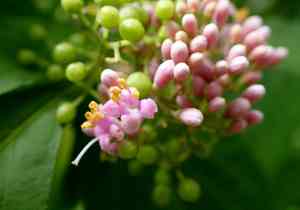
Callicarpa japonica flourishes when reproduced via cuttings. Obtain semi-hardwood cuttings in the latter part of summer, selecting a robust, unblemished section of the specimen. Rooting stimulant can boost success rates, fostering quicker and more vigorous root formation. Following hormone application, insert the cutting into a potting blend that drains effectively, keeping it damp until roots are firmly established. Offer diffused illumination and prevent waterlogging to avert decay.
When Is the Best Time to Propagate Japanese Callicarpa?
Propagation Method
Cutting
Propagation Period
Autumn,Winter
What Tools Are Necessary for Japanese Callicarpa Propagation?
Sharp Pruning Shears
These are crucial for obtaining clean, precise cuts from japanese callicarpa. A smooth incision helps minimize tissue damage, promoting better healing and root formation. Ensuring the shears are sharp and disinfected prevents the introduction of pathogens that could hinder the propagation process.
Rooting Hormone
This product is utilized to boost root development in new japanese callicarpa cuttings. Applying a rooting hormone to the freshly cut stem encourages faster rooting and higher success rates, especially vital for woody plants like japanese callicarpa where propagation via cuttings can be more challenging.
Sterilized Potting Mix
A well-draining, sterile potting mix offers an ideal growing medium for japanese callicarpa cuttings. It prevents disease accumulation and ensures good aeration and moisture retention, which are critical for the initial stages of root development. Specialized mixes are available for woody plant cuttings.
Humidity Dome or Plastic Cover
Maintaining high humidity around japanese callicarpa cuttings prevents them from drying out before they can establish roots. A humidity dome or a simple clear plastic cover over the propagation area helps create a mini-greenhouse effect, optimizing moisture levels and enhancing growth conditions.
Heating mat
For japanese callicarpa, maintaining a consistent and slightly warm temperature can significantly improve the rooting success rate. A heating mat placed beneath the propagation trays gently warms the soil, stimulating root growth without overheating the delicate cuttings.
How to Propagate Japanese Callicarpa?
Propagation Difficulty
Moderately Difficult
How to Care for Your Newly Propagated Japanese Callicarpa?
How to Care for Your Newly Propagated Japanese Callicarpa?
Once the japanese callicarpa plant has developed roots and is adapting well to less humid conditions, it can be transplanted to a permanent location. Choose a site with well-drained soil and partial to full sun exposure. Regular watering is essential during the first growing season to establish an extensive root system. Provide a balanced, slow-release fertilizer at the start of the growing season to support healthy growth and vibrant fruit production. Pruning should be done in late winter or early spring to maintain the desired shape and encourage bushiness.
Common Mistakes to Avoid When Propagating Japanese Callicarpa
Over-watering cuttings
Excess moisture can lead to root rot, which impedes the establishment of new roots in japanese callicarpa. Keeping the soil overly wet prevents adequate oxygenation, causing deterioration in the plant tissue.
Using non-sterile tools
Propagating japanese callicarpa with tools that haven't been sterilized can introduce pathogens to the freshly cut stems, increasing the likelihood of infection and disease, compromising the cutting's ability to develop into a healthy plant.
Cuttings too long
If cuttings are excessively long, they may struggle to sustain themselves, potentially leading to dehydration and poor root development. This is because longer cuttings expend more energy maintaining tissue health instead of focusing on root generation.
Tips For Propagating Japanese Callicarpa
Proper stem selections
Choose young yet mature, healthy stems for cuttings. These are typically more capable of rooting and subsequent growth, thereby improving the chances of successful propagation of japanese callicarpa.
Use rooting hormones
Applying a rooting hormone to the cut end of the stem can significantly enhance rooting success by promoting quicker root growth, which is crucial for the establishment of japanese callicarpa.
Maintain optimal humidity
Maintaining a high humidity environment around japanese callicarpa cuttings can prevent excessive water loss through transpiration, providing an optimal condition for root development without the risk of root rot.



