How to Propagate Morrow's sedge?
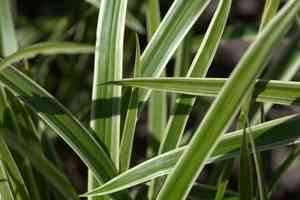
Morrow's sedge is most effectively multiplied by dividing its established clusters, a technique perfectly aligned with its natural development. Gently split mature groupings in the early spring, making sure every segment possesses a sound root system. Immediately replant these separated portions to foster strong development. This approach aids in preserving the vitality of morrow's sedge, facilitating successful revitalization and broadening your garden's presentation.
Optimal Period for Morrow's Sedge Propagation
Propagation Method
Division
Propagation Time
Spring,Autumn
Tools for Morrow's Sedge Propagation
Garden Spade
Utilized for excavating and lifting morrow's sedge from the ground during division. Its sharp, flat blade is ideal for cutting through soil and the dense root structures of morrow's sedge, enabling clean separations while minimizing root damage.
Pruning Shears
Used to trim and shape morrow's sedge both before and after division. Pruning shears help remove any dead or excess foliage, which can lessen stress on morrow's sedge when it's replanted, thereby promoting healthier regrowth.
Garden Fork
Essential for loosening the soil around morrow's sedge before lifting it for division. The tines of the garden fork are effective in gently prying the plant from the ground without severing root systems, making it perfect for the delicate roots of morrow's sedge.
Rooting Hormone
Applied to the cut ends of morrow's sedge's roots to stimulate quicker root development and improve the survival rate during propagation. This is especially beneficial after division to help morrow's sedge establish more rapidly in its new planting site.
Watering Can with a Fine Rose
Delivers gentle watering to morrow's sedge after division, ensuring that the newly planted divisions are not overwhelmed by water pressure, which could dislodge soil and expose roots. Gentle watering aids in the initial establishment phase of morrow's sedge.
Propagating Morrow's Sedge
Propagation Type
Easy
Post-Propagation Care for Morrow's Sedge
Post-Propagation Care for Morrow's Sedge
After propagating morrow's sedge, maintain consistent soil moisture, especially during dry periods, but avoid overwatering to prevent root rot. Apply mulch around the base to help retain soil moisture and suppress weeds. Fertilize lightly during the growing season to support vigorous growth. Morrow's sedge thrives in partial shade but can tolerate various light conditions, so monitor the plant and adjust its location if needed to protect it from intense sun. Regularly check for pests or diseases and treat as necessary to keep the plants healthy.
Common Errors to Avoid When Propagating Morrow's Sedge
Over-watering during propagation
Excessive moisture can lead to root rot in morrow's sedge, reducing the likelihood of successful propagation. This error can result in a weakened root system, ultimately compromising plant health.
Deep planting
Planting morrow's sedge divisions or cuttings too deeply can hinder adequate air circulation around the base and root zone, potentially leading to fungal infections and poor root development.
Using non-sterile tools or media
Failing to use sterile propagation tools or media can introduce harmful pathogens to morrow's sedge, which might impede growth or cause disease, negatively impacting propagation success.
Advice for Propagating Morrow's Sedge
Maintain moderate moisture
Ensure the soil is consistently moist but not waterlogged to support the root growth of morrow's sedge without risking root rot.
Shallow planting
Plant divisions or cuttings of morrow's sedge at a shallow depth to encourage better root spread and access to oxygen, enhancing the overall health and vigor of the plant.
Use of sterile tools and fresh propagation media
Always use sterile tools and fresh, well-draining propagation media when propagating morrow's sedge to prevent disease transfer and ensure a healthy start for the new plants.



