How to Propagate Palm sedge?
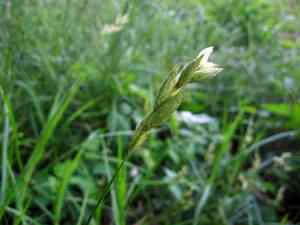
Palm sedge is successfully multiplied via the separation technique, involving the meticulous splitting of plant clusters to preserve root structure. This guarantees improved survival and development rates. Following division, the segments ought to be immediately replanted, ensuring the substrate remains damp and adequately drained to aid the new plants' establishment. Careful management of roots is vital to prevent harm and encourage faster recuperation and expansion.
Optimal Time for Palm Sedge Propagation
Propagation Method
Splitting
Propagation Period
Spring,Autumn
Tools Required for Palm Sedge Propagation
Garden Trowel
A robust garden trowel is vital for excavating around the root system of palm sedge when preparing for plant division. Its compact blade allows for precise handling and minimal disruption to nearby plants, which is essential for preserving the root integrity of palm sedge.
Pruning Shears
Sharp pruning shears are necessary for making clean cuts through the roots of palm sedge during the division process. Clean cuts help prevent disease entry and stress, encouraging faster recovery and root establishment in new locations.
Garden Fork
A garden fork is utilized to gently lift palm sedge from the ground without causing excessive damage to its root structure. The spaced tines enable better soil penetration and easier lifting of the plant with minimal root disturbance, which is crucial for the successful re-establishment of divided plants.
Watering Can with Fine Rose
After division, ensuring palm sedge is adequately watered is critical for its survival and development. A watering can equipped with a fine rose attachment provides a gentle and even water distribution, which is important for newly divided plants as it prevents soil erosion around the delicate, exposed roots.
Root Growth Hormone
Applying a root growth hormone to the severed sections of palm sedge's roots can significantly boost root development in new divisions. This encourages stronger, more vigorous growth, which is essential for the overall health and viability of palm sedge after propagation.
How to Propagate Palm Sedge?
Propagation Type
Simple
How to Care for Your Newly Propagated Palm Sedge?
How to Care for Your Newly Propagated Palm Sedge?
Palm sedge thrives in damp, well-drained soil and can endure partial shade to full sun. Consistent watering is vital, especially during dry periods, to maintain soil moisture. Additionally, applying a balanced, slow-release fertilizer annually in early spring can help promote robust growth and sustain the plant's health. Regularly check for pests or diseases and treat as needed to keep palm sedge flourishing.
Common Mistakes to Avoid When Propagating Palm Sedge
Overwatering
When propagating palm sedge, gardeners might tend to provide too much water, assuming it promotes growth. This can lead to waterlogged soil, reducing oxygen availability to the roots and potentially causing root rot, which hinders healthy growth and propagation.
Deep planting
Gardeners sometimes plant palm sedge's divisions too deeply, believing it helps stabilize the plant. This can bury the crown excessively, causing it to rot due to insufficient air circulation and light, affecting the plant's ability to establish.
Using unsterilized tools
The use of unsterilized propagation tools can introduce pathogens to palm sedge, which can severely impact the plants' health and lead to disease spread among the new cuttings or divisions.
Tips For Propagating Palm Sedge
Moist, well-drained soil
Utilize consistently damp, yet well-draining soil for propagating palm sedge to ensure the roots have access to moisture without becoming waterlogged. This equilibrium is crucial for healthy root development and overall growth.
Shallow planting
When planting divisions of palm sedge, ensure they are not buried too deeply. The crown should be just at or slightly below the soil surface to facilitate proper growth and prevent crown and root rot.
Sterilize tools
Always use sterilized tools when cutting or dividing palm sedge for propagation. This prevents the spread of diseases and pathogens, promoting healthier growth and successful propagation.



