How to Propagate Seersucker sedge?
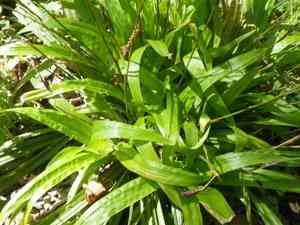
Seersucker sedge flourishes when multiplied by splitting, preferably performed during its vigorous development period. Carefully extract the plant cluster from the earth with a shovel, aiming for negligible root disruption. Divide it into smaller portions, each possessing sufficient roots and nascent stems. Reinsert the separated parts without delay into damp, adequately draining soil, preserving their initial planting depth. As another option, seed propagation entails planting freshly gathered seeds in a cold frame during autumn; these sprout inconsistently, frequently over several months, demanding perseverance and diligent oversight of humidity and warmth.
Optimal Time for Seersucker Sedge Propagation
Propagation Method
Cutting
Propagation Period
Spring,Summer
Tools for Seersucker Sedge Propagation
Sharp pruning shears
These are crucial for making clean, precise cuts when taking seersucker sedge cuttings. A clean cut prevents damage to the parent plant and increases the likelihood of successful rooting. Sharp shears reduce crushing or tearing plant tissues, which can introduce pathogens and impede healing and root growth.
Rooting hormone powder or gel
This aids in the development of roots on seersucker sedge cuttings. Dipping the cut end into rooting hormone ensures the cutting forms a robust root system more quickly and effectively. This boosts propagation success by improving the plant's ability to absorb water and nutrients.
Sterilized potting mix
A well-draining, sterile potting mix provides the best environment for new seersucker sedge cuttings to root. Sterilization helps prevent diseases and fungi that could harm delicate new roots. The mix's texture should retain moisture well while allowing sufficient aeration for root development.
Propagation trays
These are used for planting the freshly cut and treated seersucker sedge cuttings. Trays should have good drainage and be large enough for multiple cuttings. This helps organize the propagation process and offers a controlled setting for root growth.
Plastic covers or humidity domes
These tools cover propagation trays to create a humid, stable environment for new seersucker sedge cuttings. Maintaining high humidity prevents cuttings from drying out before they establish roots, which is vital for their survival and growth.
How to Propagate Seersucker Sedge?
Propagation Type
Easy
Caring for Newly Propagated Seersucker Sedge
Caring for Newly Propagated Seersucker Sedge
After propagation, seersucker sedge needs consistent moisture without being waterlogged, partial to full shade, and protection from harsh conditions. Mulching helps retain soil moisture and control weeds. As seersucker sedge grows, it may require division every few years to maintain vigor and prevent overcrowding. Fertilizing is usually unnecessary, but a balanced, slow-release fertilizer can be applied in spring if growth seems weak.
Common Errors to Avoid When Propagating Seersucker Sedge
Overwatering
Excessive watering can cause root rot in seersucker sedge, restricting oxygen flow to the roots and harming plant health.
Deep planting
Planting seersucker sedge too deeply can impede essential oxygen exchange at the root zone and encourage fungal diseases.
Neglecting humidity
Failing to maintain a humid environment for seersucker sedge cuttings can lead to desiccation and reduced rooting success.
Ignoring soil composition
Seersucker sedge requires well-draining soil; using a dense, clay-heavy mix can hinder root growth and water drainage.
Tips For Propagating Seersucker Sedge
Division in spring
Dividing seersucker sedge clumps in spring promotes robust growth and ensures each division has ample roots.
Moisture management
Providing seersucker sedge with consistent moisture while avoiding waterlogged conditions will support successful rooting.
Use of rooting hormone
Applying rooting hormone to seersucker sedge cuttings can encourage faster and more reliable root development.
Proper depth planting
Ensuring seersucker sedge is planted at its original growing depth helps in proper root establishment.



