How to Propagate Wood sedge?
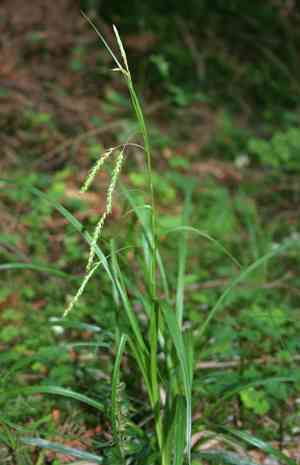
A perennial plant that favors damp, shaded forest environments, wood sedge primarily reproduces vegetatively. The most effective method for propagation involves division, where its clustered root system can be carefully separated while the plant is dormant. Cultivators must perform this division meticulously, ensuring each segment retains sufficient root mass to support vigorous re-establishment. Given wood sedge's requirement for particular environmental factors, mimicking its natural surroundings will improve propagation success, fostering its development and expansion in comparable garden areas. Careful handling and consistent soil hydration can boost the propagation efficiency of this forest-dwelling sedge.
What Is the Best Time To Propagate Wood Sedge?
Propagation Type
Splitting
Propagation Season
Spring,Fall
What Tools Are Used in Wood Sedge Propagation?
Garden Spade or Fork
A robust garden spade or fork is vital for excavating wood sedge clumps without harming their root structure. These implements aid in lifting the rootball from the earth with minimal disruption, which is crucial for maintaining the wood sedge's well-being. Their sharp, durable edges enable precise cuts through the soil, making them perfect for efficiently dividing the root mass during propagation.
Pruning Shears
Pruning shears are utilized to trim any compromised roots or surplus foliage from the wood sedge prior to division. This assists in preventing disease spread and encourages healthier new growth after propagation. The shears should be sharp and clean to create neat cuts that heal quickly, minimizing plant stress.
Watering Can with a Fine Rose
Following the transplantation of wood sedge divisions, gentle irrigation is necessary to settle the soil and eliminate air pockets around the roots. A watering can equipped with a fine rose attachment ensures a soft and even water distribution, which is important to prevent washing away newly planted divisions or disturbing their position.
Rooting Hormone (optional)
While not always required, applying a rooting hormone can boost the success rate of wood sedge division rooting. It promotes faster root development, helping divisions establish and recover from the transplanting process more effectively. This is especially advantageous when propagating younger or less vigorous divisions.
Plant Labels
Employing plant labels to mark divisions can be essential for tracking the growth and varieties of wood sedge if multiple specimens are being propagated. This helps in monitoring their development and maintaining appropriate care routines for each division.
How to Propagate Wood Sedge?
Propagation Type
Simple
How to Care for Your Newly Propagated Wood Sedge?
How to Care for Your Newly Propagated Wood Sedge?
Maintain consistent soil moisture without saturation, as wood sedge thrives in moist, yet well-drained conditions. Position or plant it in partial to full shade. Ensure the area is weed-free and apply a layer of mulch to retain soil moisture. As a woodland plant, wood sedge doesn't require heavy fertilization; an annual application of a balanced, slow-release fertilizer should suffice. Monitor for pests or diseases, though wood sedge is generally quite resilient once established.
Common Mistakes to Avoid When Propagating Wood Sedge
Overwatering
Excessive watering can lead to root rot and fungal infections, which are detrimental to wood sedge's health and impede successful propagation.
Ignoring Soil Conditions
Using poorly draining soil can cause waterlogging, which is harmful to wood sedge's roots and overall vitality.
Excessive Fertilization
Applying too much fertilizer can burn wood sedge's delicate roots and disrupt its natural growth cycle, reducing the chances of successful propagation.
Deep Planting
Planting wood sedge's divisions or seeds too deeply can restrict oxygen access and decrease germination or growth rates.
Overhandling
Excessive handling or disturbance of wood sedge during propagation can damage roots and shoots, negatively impacting its ability to establish.
Tips For Propagating Wood Sedge
Moisture Management
Keep the soil consistently damp but not waterlogged to support wood sedge's root development without causing decay.
Soil Composition
Utilize a well-draining soil mix to encourage healthy root growth and prevent water retention that could harm wood sedge.
Gentle Fertilization
Apply a balanced, slow-release fertilizer sparingly to provide wood sedge with necessary nutrients without damaging its roots.
Shallow Planting
Plant wood sedge's divisions or seeds at a shallow depth to ensure adequate oxygen supply and promote successful germination and growth.
Careful Handling
Wood sedge benefits from minimal disturbance during propagation, so handle it gently to prevent damage to its delicate roots and shoots.



