How to Propagate Texas sedge?
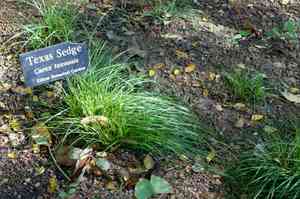
Texas sedge flourishes when multiplied via division, a sensible and effective technique for this specific sedge. Carefully pull apart the root masses with your hands or a sanitized, keen blade, making sure every piece possesses sufficient roots. Immediately replant the separated portions into properly prepared soil, abundant in organic material, to foster quick establishment and development. Initial consistent watering aids in easing the relocation and supports root formation.
Optimal Period for Texas Sedge Propagation
Propagation Method
Separation
Propagation Season
Spring,Autumn
Tools Required for Texas Sedge Propagation
Sharp Knife or Pruners
These implements are vital for making clean, precise cuts through the roots and rhizomes of texas sedge during the division process. A sharp tool minimizes plant tissue damage, which is key for preventing disease and encouraging rapid healing and regrowth. The accuracy these tools provide allows for deliberate clump separation, supporting the plant's health and vitality during propagation.
Spade or Garden Fork
Utilized for extracting texas sedge from the ground, these tools enable careful lifting of the plant with minimal root disruption. The spade or garden fork should be sharp and robust, capable of managing the often dense, fibrous root systems characteristic of texas sedge. This step is crucial for successful propagation as it ensures a significant portion of the root system is preserved, which is necessary for the survival and quick establishment of new divisions.
Watering Can or Hose with a Gentle Spray Setting
Following division and replanting, it's essential to ensure texas sedge is thoroughly watered to help alleviate transplant shock. Employing a gentle spray setting or a watering can assists in providing uniform moisture distribution without dislodging newly planted divisions or causing soil erosion around them. Proper watering aids in the re-establishment of roots in their new location, fostering healthier and faster growth.
Rooting Hormone (optional)
While not always mandatory, applying a rooting hormone can improve the establishment and root development of texas sedge after division. This aid is beneficial when divisions are smaller or when the root system appears less robust. The rooting hormone helps stimulate root growth at the cut sites, increasing the likelihood of successful propagation and the overall vigor of the new plants.
How to Propagate Texas Sedge?
Propagation Type
Simple
How to Care for Your Newly Propagated Texas Sedge?
How to Care for Your Newly Propagated Texas Sedge?
Once rooted, texas sedge demands minimal upkeep. Maintain consistently moist soil, especially in warmer climates or during dry periods. Mulching can help retain soil moisture and deter weeds. Regular fertilization is not typically needed unless the soil is severely depleted. Monitor for any signs of pests or diseases, though texas sedge is generally quite resilient and disease-resistant.
Common Mistakes to Avoid When Propagating Texas Sedge
Overwatering
Excessive watering can lead to root rot or fungal infections, which reduce the health and vitality of texas sedge. Too much moisture hinders proper root formation.
Deep planting
Planting texas sedge too deeply can cause the plant's crown to decay. Texas sedge prefers to be planted at or slightly above the soil surface to ensure adequate air circulation around its base.
Ignoring clump division size
Dividing texas sedge into excessively small clumps can stress the plant and decrease its survival rate. Each division should possess a sufficient root mass and several healthy shoots to ensure its thriving.
Using poor soil
Utilizing unamended or low-quality soil can impede the growth of texas sedge by failing to provide adequate nutrients or proper drainage, which are crucial for their health and expansion.
Tips For Propagating Texas Sedge
Timely division
Divide texas sedge during its early growth stages when the plant is robust. This ensures the divisions have ample time to establish themselves, promoting stronger root development.
Appropriate soil mix
Employ a well-draining soil mixture rich in organic matter. This supports the healthy root development of texas sedge and ensures they receive sufficient nutrients.
Correct planting depth
Plant texas sedge divisions at the appropriate depth, ensuring the crowns are just at or slightly above the soil level. This prevents crown rot and encourages better air circulation.
Maintain moisture levels
Keep the soil consistently moist but not waterlogged after division. This helps texas sedge to establish well without the risks associated with overwatering.



