How to Propagate American hornbeam?
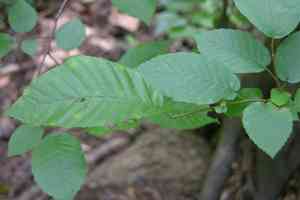
Carpinus caroliniana can be reproduced via dormant wood cuttings, air layering, and seed planting. The optimal period for propagation spans from fall to winter. The level of difficulty for propagation is moderate. Indicators of successful propagation are evident in the emergence of fresh roots and new growth. Essential propagation advice involves employing rooting stimulants and ensuring steady hydration.
Optimal Period for American Hornbeam Propagation
Propagation Method
Cutting
Propagation Season
Autumn,Winter
Tools Required for American Hornbeam Propagation
Sharp pruning shears
Crucial for making clean cuts on american hornbeam hardwood or semi-hardwood stems, sharp pruning shears minimize harm to both the parent plant and the cutting. A precise cut enhances the cutting's rooting prospects by lowering infection risk and promoting faster healing.
Rooting hormone powder
Applied to the freshly cut base of american hornbeam stem cuttings, rooting hormone powder promotes quicker and more dependable root formation. This substance contains synthetic auxins that mimic natural plant hormones, stimulating root growth on cuttings.
Sterilized containers
Containers for planting american hornbeam cuttings must be sterile to prevent pathogen introduction. Sterilized containers help ensure that delicate cuttings are not compromised by fungal, bacterial, or viral infections during the crucial rooting phase.
Soilless potting mix
A well-draining, sterile, soilless potting mix ideal for american hornbeam offers the necessary aeration and moisture retention for developing roots without the disease risks associated with garden soil. The medium's consistency supports the delicate new roots, allowing them to grow unhindered.
Plastic bags or propagation domes
Used to maintain high humidity around american hornbeam cuttings, plastic bags or propagation domes create a mini-greenhouse environment. This helps prevent the cutting from losing too much moisture while it is establishing new roots and is particularly beneficial for american hornbeam, which may require consistent moisture levels.
Heat mat
For american hornbeam cuttings, which may benefit from bottom heat to stimulate root growth, a heat mat provides consistent warmth. This warmth can enhance enzymatic activity, leading to improved rooting efficiency, which is crucial during cooler seasons or in cooler climates.
Caring for Your Newly Propagated American Hornbeam
Caring for Your Newly Propagated American Hornbeam
Following transplantation, american hornbeam needs regular watering to help its root system fully establish, though it generally tolerates various soil conditions. Ensure the location provides partial to full shade. During the initial growing season, maintaining consistently moist soil is vital. Once established, american hornbeam is relatively low-maintenance, but benefits from mulching and occasional pruning to maintain its shape and remove unwanted growth.
Common Errors to Avoid When Propagating American Hornbeam
Failure to select healthy parent plants
Using specimens that are stressed or affected by disease or pests can severely compromise the vitality of new american hornbeam plants, leading to poor establishment and growth.
Incorrect cuttings preparation
If cuttings from american hornbeam are not taken correctlyâtoo short, too long, or without a nodeâthey may fail to root and grow, wasting time and resources.
Over-watering cuttings or seedlings
Excessive moisture can cause rot and fungal infections in american hornbeam cuttings or seedlings, hindering proper root development.
Disregarding soil requirements
American hornbeam's specific soil preferences must be respected; failure to use a well-draining medium can lead to poor growth and health of the plant.
Neglecting humidity control
Without maintaining high humidity for american hornbeam cuttings, they may dessicate and ultimately fail to root.
Planting seeds too deeply
Seeds of american hornbeam require specific sowing depths; placing them too deeply in the soil can prevent germination.
Advice for Propagating American Hornbeam
Choose robust parent plants
Select healthy and vigorous american hornbeam plants to source cuttings or seeds, as they will have higher chances of successful propagation.
Proper cuttings techniques
Ensure cuttings of american hornbeam have at least one node and are of appropriate length to maximize rooting potential.
Moderate watering practices
Water american hornbeam cuttings and seedlings sufficiently to maintain moist soil, but avoid over-watering to prevent root rot.
Soil quality and drainage
Use a well-draining soil mixture for american hornbeam that closely mimics its native habitat to encourage healthy root development.
Maintain appropriate humidity
Keep the humidity around american hornbeam cuttings high to prevent desiccation, using methods like misting or humidity domes.
Correct seed sowing depth
Plant american hornbeam seeds at the recommended depth to ensure proper germination and seedling growth.



