How to Propagate Pignut hickory?
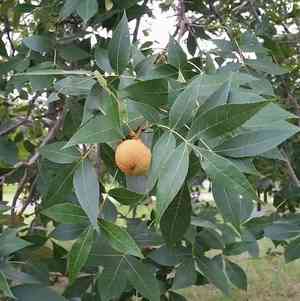
Pignut hickory can be reproduced in the fall and winter via hardwood cuttings, air layering, and seed planting. The propagation challenge is moderate, yet indicators of successful reproduction encompass root development and robust sprouts. Essential advice for propagation involves maintaining damp soil and ensuring sufficient illumination and warmth.
When Is the Optimal Time to Propagate Pignut Hickory?
Propagation Method
Cutting
Propagation Period
Autumn,Winter
What Tools Are Utilized for Pignut Hickory Propagation?
Pruning Shears
Pruning shears are crucial for obtaining cuttings from pignut hickory. Their blades must be sharp and clean to ensure precise cuts, minimizing harm to the parent plant and boosting the cuttings' rooting success. They enable a quick and efficient way to get multiple cuttings rapidly.
Rooting Hormone
Applying a rooting hormone to the cut end of pignut hickory cuttings promotes root formation. This product stimulates root growth, increasing the likelihood of successful propagation. Rooting hormone is particularly vital for hardwood cuttings like pignut hickory, which naturally root slower than softwood cuttings.
Sterilizing Solution
A sterilizing solution is employed to sanitize pruning shears and other tools before and after taking pignut hickory cuttings. This practice prevents disease spread between plants and is essential for maintaining the cuttings' health and viability.
Planting Medium
A well-draining, non-fertile planting medium is necessary for rooting pignut hickory cuttings. This medium should be kept consistently moist but not waterlogged to provide an ideal environment for root initiation and growth.
Propagation Tray
A propagation tray is used to hold the planting medium and pignut hickory cuttings in a stable environment. It should have adequate drainage holes and be appropriately sized to accommodate multiple cuttings while allowing space for growth.
Plastic Dome or Cover
A clear plastic dome or cover placed over the propagation tray creates a humid environment around pignut hickory cuttings, which helps to prevent moisture loss from the leaves and encourages rooting. This microclimate is vital for maintaining the cuttings' health.
Heat Mat
A heat mat gently warms the rooting zone of pignut hickory cuttings, promoting faster root growth. Given that pignut hickory is a hardwood species with typically slower root development, a heat mat could be beneficial in expediting the rooting process.
How to Nurture Your Newly Propagated Pignut Hickory?
How to Nurture Your Newly Propagated Pignut Hickory?
Once pignut hickory cuttings have developed a strong root system, gradually acclimate them to ambient humidity by removing the plastic cover over several days. Transplant them into larger pots or their permanent location with well-draining soil and provide full sun to partial shade exposure. Maintain soil moisture through regular watering, especially during dry spells, and use mulch to retain soil moisture and temperature. Fertilize pignut hickory sparingly in the spring if growth appears sluggish, and prune to shape the tree if necessary while it's dormant in winter. Monitor for pests and diseases and treat as required.
Common Errors to Avoid When Propagating Pignut Hickory
Insufficient stratification
Without adequate cold stratification, pignut hickory seeds may fail to germinate as this process breaks dormancy by mimicking winter conditions.
Overwatering
Excessive water can lead to root rot in pignut hickory, as these plants prefer well-drained soil and can be sensitive to overwatering.
Poor soil preparation
Using soil that lacks proper nutrients or has poor drainage can hinder pignut hickory root development and overall growth.
Planting depth
Planting pignut hickory seeds too deep or too shallow can affect germination rates; the seeds require specific depths to ensure adequate growth conditions.
Neglecting pests
Ignoring the signs of pests can lead to infestations that compromise the health of pignut hickory, particularly during the vulnerable stages of propagation.
Advice For Propagating Pignut Hickory
Cold stratification
Simulate winter conditions for pignut hickory seeds by refrigerating them for 90-120 days before planting to increase the chances of germination.
Moisture management
Maintain consistent moisture without overwatering; ensure the planting medium for pignut hickory is moist but well-drained.
Soil fertility
Prepare a fertile, well-draining growing medium for pignut hickory, enriched with organic matter to support healthy growth.
Appropriate seeding depth
Sow pignut hickory seeds at the proper depth, usually 1-2 inches, to balance exposure to moisture and the air needed for germination.
Pest monitoring
Regularly inspect pignut hickory for signs of pests and take appropriate measures to control any infestations early on.



