How to Propagate Sand hickory?
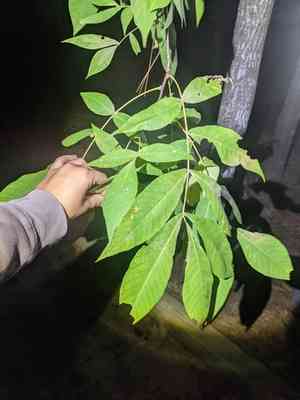
Carya pallida can be effectively multiplied using dormant wood cuttings, air layering, and seed planting. The level of propagation challenge differs, yet successful multiplication is evident through the emergence of fresh shoots and root systems. Fall and winter represent the prime periods for propagation. Essential advice for propagation involves choosing robust stems and guaranteeing appropriate soil hydration.
Optimal Period for Sand Hickory Propagation
Propagation Method
Cutting
Propagation Period
Autumn,Winter
Tools for Sand Hickory Propagation
Sharp pruning shears or knife
These are crucial for making clean incisions on the parent sand hickory plant, minimizing harm and lowering the chance of pathogen introduction. A precise cut aids in better rooting of cuttings.
Rooting hormone
This compound promotes robust root formation in sand hickory cuttings. It is especially helpful for hardwood cuttings, which sand hickory typically produces, to boost rooting success.
Propagation tray or containers
These offer a secure and suitable environment for cuttings to develop roots. Trays or containers must have proper drainage to prevent waterlogging, which can harm sand hickory cuttings.
Sterile potting medium
A well-draining, sterile substrate is necessary to provide cuttings with the correct balance of air and moisture. Sand hickory benefits from a medium like a perlite and peat blend that supports root growth without holding too much moisture.
Plastic covers or domes
These items help maintain high humidity around sand hickory cuttings, which is vital for preventing water loss from leaves before roots establish. They create a microclimate that enhances survival rates.
Heating mat (optional)
A heating mat can be used to supply consistent bottom warmth, a key factor in encouraging root development in sand hickory cuttings. However, care should be taken to avoid excessively high temperatures, which could damage the cuttings.
Post-Propagation Care for Your Sand Hickory
Post-Propagation Care for Your Sand Hickory
Once the sand hickory cutting has rooted and shows signs of development, gradually introduce it to outdoor conditions if it was started indoors. This process is called hardening off. After acclimation, it can be moved to a larger pot or directly into the ground, provided the soil drains well and is nutrient-rich. Consistent watering is vital during the initial growing season, but ensure good drainage to prevent root rot. As sand hickory is a tree, it will require ample space to grow, with full sun exposure being ideal for its growth.
Common Errors to Avoid When Propagating Sand Hickory
Insufficient seed stratification
Ignoring the need for cold stratification can lead to poor germination rates for sand hickory seeds. This species requires a period of cold, moist conditions to break dormancy.
Improper cutting conditions
Attempting to root cuttings without adequate humidity and temperature can result in rooting failure. Sand hickory cuttings need specific environmental conditions to establish.
Overwatering
Excessive water during the propagation process can cause root rot and fungal diseases. Sand hickory requires well-drained soil and should not be waterlogged.
Soil neglect
Using an unsuitable soil mixture can hinder root development for sand hickory seeds and cuttings. The soil should be well-draining and fertile.
Plant depth error
Sand hickory seeds planted too deep or too shallow will struggle to germinate. There is an optimal depth for planting that ensures proper growth.
Advice for Propagating Sand Hickory
Seed stratification
Mimic winter conditions for sand hickory seeds by stratifying them in a cold, moist environment for several months before planting to improve germination success.
Rooting hormone for cuttings
Apply rooting hormone to increase the likelihood of successful root development when propagating sand hickory via cuttings.
Adequate drainage
Provide well-draining soil and monitor watering to prevent waterlogging and protect sand hickory from root diseases.
Ideal soil composition
Create a soil mix that balances fertility with good drainage to promote healthy root growth in sand hickory seeds and cuttings.
Correct planting depth
Ensure sand hickory seeds are planted at the appropriate depth, neither too deep nor too shallow, to enable successful germination and seedling establishment.



