How to Propagate Sweet chestnut?
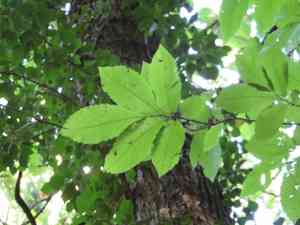
Castanea sativa can be reproduced via dormant wood cuttings, aerial layering, and planting seeds in the fall and winter seasons. The challenge level for propagation is average. Indicators of successful propagation include fresh shoots and the formation of roots. Maintaining adequate moisture for the cuttings and ensuring a growing medium with good drainage are crucial.
Optimal Period for Sweet Chestnut Propagation
Propagation Method
Cutting
Propagation Season
Fall,Winter
Tools Required for Sweet Chestnut Propagation
Sharp pruning shears
Utilized for taking cuttings, the keen blades guarantee a clean cut, minimizing potential harm that could lead to infection or disease in sweet chestnut.
Rooting hormone
Applied to the severed end of the cutting to stimulate root development. This enhances the likelihood of successful rooting by encouraging root growth, vital for sweet chestnut's cuttings to establish.
Sterilizing solution
Aids in sterilizing the pruning shears prior to taking cuttings. This prevents the spread of diseases to sweet chestnut, which is crucial for maintaining the health of the propagules.
Plant pots
These are necessary to house the cuttings once they have been taken. Ensuring proper drainage and size will accommodate the growth of sweet chestnut's root system.
Propagating medium
Offers a suitable environment for the cuttings to root. A well-draining, nutrient-rich medium supports the initial growth phase of sweet chestnut.
Mister or spray bottle
Ensures that cuttings remain hydrated without overwatering, which is vital for the delicate cuttings of sweet chestnut as they establish roots.
Plastic covering or humidity dome
Maintains high humidity around the cuttings, which is beneficial for sweet chestnut's cuttings to prevent them from drying out before rooting occurs.
Heat mat (optional)
May be employed to provide bottom warmth, which can encourage root development in sweet chestnut's cuttings, especially in cooler climates or conditions.
Post-Propagation Care for Your Sweet Chestnut
Post-Propagation Care for Your Sweet Chestnut
Once the sweet chestnut has rooted, gradually acclimate the plant by reducing ambient humidity over a week. Relocate the plant to a brighter spot to adjust to direct sunlight. Water the sweet chestnut consistently, allowing the soil to dry slightly between waterings, and fertilize with a balanced slow-release fertilizer. When the sweet chestnut has developed a robust root system, transplant it to a larger container or directly into the ground, maintaining adequate spacing between plants to support growth. Prune sweet chestnut annually to encourage a strong structure and maintain its size and shape.
Common Errors to Avoid When Propagating Sweet Chestnut
Overwatering
Constantly moist soil can lead to root rot in sweet chestnut, which is detrimental to the plant's health and can inhibit successful propagation.
Deep seeding
Planting sweet chestnut seeds too deeply can hinder germination because the seeds may not be able to penetrate the soil surface.
Ignoring pre-treatment
Not stratifying sweet chestnut seeds can result in poor germination rates as it's essential for breaking seed dormancy.
Neglecting pest management
Failing to handle pests properly can cause them to damage or destroy the young shoots of sweet chestnut, affecting growth and propagation.
Advice for Propagating Sweet Chestnut
Provision of support
Provide support structures for sweet chestnut saplings to ensure stability as they grow, which is crucial for healthy development.
Correct depth sowing
Sowing sweet chestnut seeds at the correct depth is essential for successful germination; follow recommended guidelines for depth.
Stratification
Stratify sweet chestnut seeds to break dormancy and enhance germination prospects; this mimics the natural process of winter conditions.
Pest mitigation
Regularly inspect sweet chestnut saplings for signs of pests and manage accordingly to prevent infestations and ensure healthy growth.



