How to Propagate Northern catalpa?
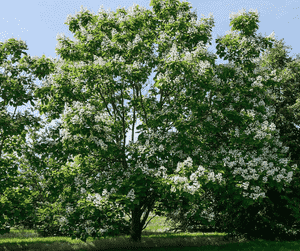
Catalpa speciosa can be reproduced using several techniques, including dormant wood cuttings, air layering, and seed germination. The most suitable period for initiating propagation is during the fall and winter seasons. The level of difficulty for propagation may differ, and successful establishment is indicated by the emergence of new shoots or the formation of roots. Essential advice involves maintaining appropriate soil hydration and regulating temperature throughout the propagation process.
Optimal Time for Northern Catalpa Propagation
Propagation Method
Cutting
Propagation Period
Autumn,Winter
Tools Required for Northern Catalpa Propagation
Sharp Pruning Shears
These are utilized for obtaining clean and precise cuttings from mature northern catalpa specimens without causing undue harm to the source plant. The keen blades guarantee a smooth incision, vital for the cutting's proper healing and root initiation.
Rooting Hormone Powder
This assists in stimulating root formation from northern catalpa cuttings. Applying the rooting hormone to the cut end can significantly boost the chances of successful rooting by encouraging the development of new root cells.
Sterile Potting Mix
A premium, well-draining potting medium offers the ideal environment for northern catalpa cuttings to establish roots. Sterility is crucial to prevent illnesses that could impact the vulnerable cuttings.
Propagation Tray
These trays are suitable for arranging multiple northern catalpa cuttings and maintaining the necessary moist conditions. The tray helps to preserve humidity and warmth, both critical for root development.
Clear Plastic Dome or Bag
This item creates a miniature greenhouse environment over the northern catalpa cuttings. It aids in sustaining high humidity and stable temperatures, both key elements in successful cutting propagation.
Heating Mat
A heating mat gently warms the soil, encouraging superior root growth for northern catalpa cuttings. Consistent warmth can significantly enhance rooting success rates for this species.
Watering Can with Fine Nozzle
The fine nozzle ensures that northern catalpa cuttings are watered gently without disturbing the soil or newly forming roots. Appropriate watering is vital for the cuttings to avoid both drying out and excessive moisture, which can lead to decay.
Post-Propagation Care for Your Northern Catalpa
Post-Propagation Care for Your Northern Catalpa
Once the northern catalpa cutting has developed roots, typically within several weeks, gradually acclimatize it to the ambient humidity by creating small perforations in the plastic cover and eventually removing it entirely. When the plant exhibits new growth, indicating successful rooting, begin to water as needed to keep the soil moist, provide moderate light, and initiate a regular fertilizing schedule every 2-3 months with a balanced fertilizer. As the northern catalpa matures, ensure it has ample space and offer support if necessary. Consider repotting to a larger container or planting in the ground if the root system outgrows the current pot.
Common Errors to Avoid When Propagating Northern Catalpa
Overwatering cuttings
Excessive watering can lead to root decay and fungal infections, diminishing the likelihood of successful root development in northern catalpa.
Using non-sterile tools
Contaminated implements can introduce diseases to the cutting, hindering its ability to establish roots and flourish.
Ignoring node locations
Cuttings taken without considering node positions may struggle to root, as nodes are typically where roots have the potential to emerge.
Planting seeds too deeply
Seeds buried excessively deep may fail to sprout due to insufficient exposure to vital elements like oxygen and moisture.
Neglecting to maintain humidity
Insufficient humidity can cause cuttings to desiccate before they have a chance to root, which is crucial for northern catalpa cuttings.
Tips For Propagating Northern Catalpa
Use sterilized tools
Sanitize pruning implements to prevent disease transmission to northern catalpa cuttings, increasing the probability of successful propagation.
Select healthy parent plant
Choose a robust and disease-free parent plant to ensure high-quality genetic material for northern catalpa propagation.
Proper cutting placement
Make cuttings at a 45-degree angle just beneath a node to maximize rooting potential and accelerate the growth of northern catalpa.
Moderate seed depth
Sow seeds at a shallow depth to facilitate appropriate germination conditions for northern catalpa.
Maintain proper humidity
Enclose northern catalpa cuttings in a plastic covering to retain moisture and encourage rooting without overwatering.



