How to Propagate Crimson cattleya?
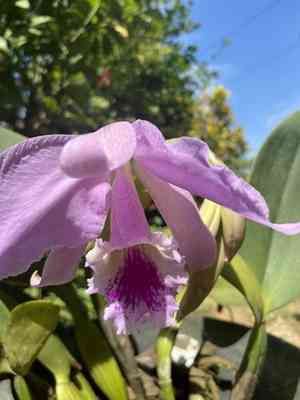
Crimson cattleya is most effectively multiplied by dividing its structure, preferably in the spring or fall. This procedure can be somewhat difficult, yet its success is indicated by the emergence of new roots. Gentle manipulation and ideal environmental factors are essential for successful propagation.
Optimal Time for Crimson Cattleya Propagation
Propagation Method
Separation
Propagation Period
Spring, Autumn
Tools Required for Crimson Cattleya Propagation
Sterilized cutting tools (e.g., pruners or scalpel)
Sterile cutting instruments are vital for clean cuts during division, reducing infection risk for crimson cattleya. A sharp blade ensures precise cuts when separating pseudobulbs or rhizome sections, crucial for healthy regrowth.
Rubbing alcohol or bleach solution
Used to sanitize cutting tools before and after propagation efforts to prevent disease transmission among crimson cattleya specimens, ensuring the health and viability of newly propagated plants.
Horticultural fungicide
Post-division, a fungicide can be applied to cut surfaces as a preventative measure against fungal infections that might compromise crimson cattleya's health during the critical healing and regrowth phase.
Potting mix appropriate for orchids
A suitable orchid potting mix offers adequate drainage and aeration, essential for crimson cattleya's roots to develop without rot risk, which is crucial for successful post-propagation growth.
Clear plastic pots
Transparent containers allow monitoring of root development and moisture levels without disturbing the crimson cattleya, helping ensure the root system establishes correctly after propagation.
Labeling materials
Labels are used to track propagation dates and the origin of divisions, which can be vital for proper care and cultivation practices tailored to each crimson cattleya within its specific growth phase.
Ruler or measuring tape
Measuring pseudobulbs or rhizome sections to ensure each crimson cattleya division is adequately sized to sustain itself and encourage healthy new growth is crucial, as undersized divisions may struggle to survive.
How to Propagate Crimson Cattleya?
Propagation Method
Division
Difficulty Level
Easy
Caring for Your Newly Propagated Crimson Cattleya
Caring for Your Newly Propagated Crimson Cattleya
After propagation, provide crimson cattleya with bright, indirect light and high humidity. Water weekly or when the potting medium is almost dry, avoiding wetting the foliage. Fertilize monthly with a balanced orchid fertilizer. Maintain temperatures between 15°C and 25°C and ensure good air circulation around the plant. Repot crimson cattleya every two to three years or when the potting medium starts to degrade.
Common Mistakes to Avoid When Propagating Crimson Cattleya
Overpotting
Using a container that is too large for crimson cattleya's root system can lead to moisture retention and increase the risk of root rot. Crimson cattleya generally prefer to be root-bound.
Overwatering
Given that crimson cattleya has a tendency to rot when left in standing water, overwatering can kill the plant by causing root rot and fungal infections.
Incorrect media
Choosing the wrong potting media can prevent proper aeration and drainage, which is crucial for crimson cattleya. Poor media choices can suffocate roots and lead to disease.
Insufficient humidity
Failing to maintain high humidity can lead to desiccation and poor root development in crimson cattleya because they are typically found in humid environments.
Excessive handling
Crimson cattleya can be delicate during the propagation process, and excessive handling or disturbance can damage the new growths and set back root development.
Tips For Propagating Crimson Cattleya
Appropriate pot size
Use a pot that is only slightly larger than the root ball of crimson cattleya to support proper growth without risking root rot due to excessive moisture.
Moderate watering
Maintaining a balance in watering is crucial; allow the potting media to dry slightly between waterings to support the health of crimson cattleya's roots.
Orchid-specific media
Select a well-draining, orchid-specific potting media that supports root aeration and mimics crimson cattleya's natural growing conditions.
Humidity control
Maintain high humidity around crimson cattleya by using a humidity tray or misting the area, which is essential for healthy root and shoot development.
Gentle handling
Handle crimson cattleya gently and minimize root disturbance to prevent damage to the delicate new growths that are essential for successful propagation.



