How to Propagate Sugarberry?
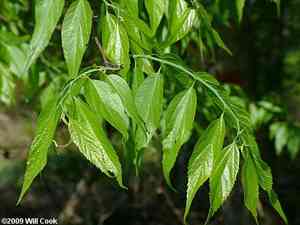
The Sugarberry plant readily multiplies during the fall and winter seasons through several techniques, such as hardwood cuttings, air layering, and seed planting. Although the propagation process is straightforward, successful outcomes are indicated by the emergence of robust roots and new growth. Maintaining appropriate hydration and delivering consistent attention are crucial for achieving effective propagation.
Optimal Time for Sugarberry Propagation
Propagation Method
Cutting
Propagation Period
Autumn,Winter
Tools Required for Sugarberry Propagation
Sharp Pruning Shears
Crucial for taking sugarberry cuttings, sharp pruning shears ensure clean cuts, minimizing harm to the parent plant and promoting a healthy start for new growth. Clean cuts help prevent disease and encourage faster healing.
Rooting Hormone
Enhances the probability of successful root formation in sugarberry cuttings. When applied to the cut end, it stimulates root growth, boosting propagation success rates.
Sterilizing Agent (e.g., Isopropyl Alcohol or Bleach Solution)
Used to sanitize pruning shears and other tools before and after use to prevent the transmission of diseases to or from sugarberry.
Propagation Medium (e.g., Soilless Potting Mix, Peat Moss, Perlite)
Offers a suitable environment for sugarberry cuttings to establish roots. A well-draining, sterile medium supports healthy root growth without retaining excessive moisture that can lead to rot.
Small Pots or Trays
Containers for the medium where sugarberry cuttings will be placed to root. They should be clean and have drainage holes to promote aeration and prevent waterlogging.
Plastic Bags or Propagation Domes
Create a humid, greenhouse-like environment around the sugarberry cuttings. This encourages moisture retention around the foliage, reducing water loss while the cuttings develop roots.
Watering Can or Spray Bottle
Provides gentle moisture to the sugarberry cuttings and medium. A spray bottle can mist cuttings to maintain humidity without overwatering, crucial for preventing rot in the early stages of root development.
Labels and Markers
Aid in the identification and organization of sugarberry cuttings, especially when propagating multiple specimens. Proper labeling ensures tracking of growth progress and care needs.
Caring for Your Newly Propagated Sugarberry
Caring for Your Newly Propagated Sugarberry
Following propagation, sugarberry will need consistent watering to keep the soil moist, particularly during dry spells. As sugarberry is a tree, plant it in a location that accommodates its mature size. It prefers full sun to partial shade and adapts to various soil conditions but thrives in well-drained soils. Mulching can help retain soil moisture and regulate temperature. Prune annually to maintain the desired shape and remove any dead or diseased branches. Monitor for pest or disease issues and treat as necessary.
Common Errors to Avoid When Propagating Sugarberry
Insufficient watering
Overwatering or underwatering can cause significant issues for sugarberry. Too much water can lead to root rot, while too little can cause dehydration and failed establishment.
Ignoring soil requirements
Sugarberry's growth can be severely hindered by planting in unsuitable soil. Sugarberry requires well-draining soil to prevent waterlogging and encourage healthy root development.
Neglecting disease and pest control
Failure to monitor for signs of pests and diseases can result in damaged or weakened sugarberry plants, which might not propagate successfully or grow vigorously.
Excessive use of fertilizers
Applying too much fertilizer can burn the roots of sugarberry and disrupt its growth. It's essential to use the correct amount and type of fertilizer.
Incorrect cutting technique
Taking cuttings improperly, such as using dull tools or cutting at incorrect nodes, can cause damage and reduce the chances of successful rooting for sugarberry.
Tips For Propagating Sugarberry
Appropriate cutting selection
Choose healthy, disease-free semi-hardwood cuttings from sugarberry for the best chance of rooting and successful propagation.
Rooting hormone utilization
Using a rooting hormone can encourage root development on sugarberry cuttings, increasing the likelihood of successful propagation.
Maintaining humidity
Keep the humidity levels around sugarberry cuttings high to prevent desiccation until roots have developed sufficiently.
Strategic pruning
Prune sugarberry strategically to encourage growth in desired areas and improve the overall chances of successful propagation from cuttings or layering.
Regular monitoring
Closely monitor the health and growth of sugarberry during propagation efforts to address any issues promptly and adjust care as needed.



