How to Propagate Cornflower?
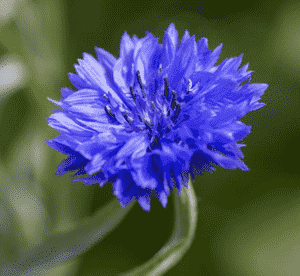
Cornflower multiplies readily by planting seeds in the springtime. Carefully disperse the seeds over porous soil and lightly conceal them. Observe the emergence of new sprouts as an indicator of successful reproduction. Sufficient light and hydration are essential for peak development.
Optimal Period for Cornflower Propagation
Propagation Method
Sowing
Propagation Period
Spring
Essential Tools for Cornflower Propagation
Seed trays or flats
These shallow containers are ideal for initiating cornflower seeds in a controlled setting. They aid in maintaining consistent moisture and temperature, crucial for successful cornflower germination.
Sterile potting mix
A sterile, well-draining potting mix minimizes the risk of soil-borne illnesses and offers an optimal medium for cornflower seed germination by ensuring proper air circulation and moisture retention.
Plastic domes or clear covers
Placing a transparent cover over seed trays establishes a greenhouse-like atmosphere beneficial for cornflower seed germination by trapping moisture and warmth, vital for seedling growth.
Misting bottle
A misting bottle enables gentle watering without disturbing cornflower seeds or young plants. It helps maintain high humidity, which is essential for delicate young plants.
Grow lights or fluorescent lights
These supply the appropriate light spectrum for seedling development if natural sunlight is insufficient, fostering robust and healthy growth of cornflower seedlings.
Heating mats
An optional tool, heating mats can be positioned beneath seed trays to provide gentle bottom heat, which can promote quicker germination and more uniform seedling growth in cornflower.
Fine-tipped tweezers
During thinning or transplanting, fine-tipped tweezers allow for careful handling of cornflower seedlings, reducing damage to roots and stems.
Dibber or pencil
These instruments are useful for creating small, precise holes in the soil for planting cornflower seeds or for transplanting seedlings, allowing for better root-to-soil contact.
Labeling stakes or markers
Marking trays with labels ensures accurate tracking of cornflower growth stages and varieties. This information is valuable for optimizing care and future propagation efforts.
How to Propagate Cornflower?
Propagation Type
Sowing
Difficulty Level
Easy
Caring for Your Newly Propagated Cornflower
Caring for Your Newly Propagated Cornflower
After propagation, cornflower plants should be cultivated in a sunny location with well-drained soil. They require moderate irrigation, especially during extended dry periods, but are drought-tolerant once established. Apply mulch around plants to conserve moisture and suppress weeds. Fertilization is generally not necessary, but a balanced, slow-release fertilizer can be used in poor soils. Adequate spacing is crucial to ensure good airflow and prevent fungal diseases. Removing spent flowers will encourage more blooms. Cornflower is an annual plant, but may self-seed in optimal growing conditions.
Common Mistakes to Avoid When Propagating Cornflower
Overwatering
Excessive watering can lead to fungal diseases and root rot in cornflower, as these plants prefer drier conditions. Too much moisture around the roots can suffocate them and hinder successful propagation.
Planting seeds too deeply
Cornflower seeds require light to germinate. Planting them too deeply in the soil can impede their ability to sprout, thereby reducing the success rate of propagation.
Ignoring soil type
Cornflower thrives in well-draining soil. Using dense or water-retentive soil can impede root growth and negatively impact seedling establishment.
Overcrowding
Sowing cornflower seeds too close together can result in competition for light, space, and nutrients. This can lead to weak growth and increased susceptibility to disease.
Neglecting to stratify seeds
If a gardener fails to stratify cornflower seeds when necessary, which mimics natural winter conditions that some seeds need to break dormancy, this can result in poor or non-uniform germination.
Tips For Propagating Cornflower
Soil preparation
Prepare a potting mix that is well-draining and fertile. Adding perlite or sand can improve drainage and create a suitable environment for cornflower roots to develop.
Seed scattering
Scatter cornflower seeds on the soil surface rather than burying them, as they require light to germinate. Gently press the seeds into the soil without covering them.
Watering technique
Mist the cornflower seeds lightly with water to keep them moist without causing waterlogging. A spray bottle can help control water distribution.
Spacing
Ensure proper spacing between the cornflower seeds to avoid overcrowding. Thin out seedlings if they start to grow too close, allowing the strongest ones to flourish.
Stratification
For certain cultivars, imitate winter conditions by stratifying cornflower seeds. This can be done by placing the seeds in a moistened medium in the refrigerator for a few weeks before planting.



