How to Propagate Perennial cornflower?
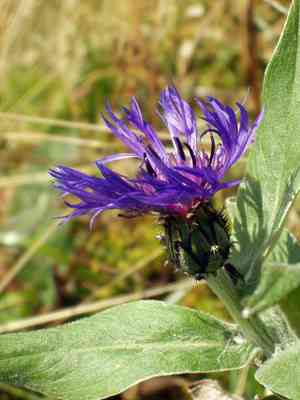
The perennial cornflower is recognized for its vibrant blue-purple blossoms and silver-hued leaves. This resilient mountain knapweed flourishes in diverse garden environments. Multiplying it through division is not only practical but also advised for preserving the plant's well-being and strength. Carefully splitting established clusters at the right moment can revitalize perennial cornflower and aid in distributing this attractive perennial throughout your garden. Confirm that each separated section possesses a robust root structure and a minimum of one vigorous sprout prior to replanting.
What Is the Best Time To Propagate Perennial Cornflower?
Propagation Type
Division
Propagation Season
Spring,Autumn
What Tools Are Used in Perennial Cornflower Propagation?
Garden Fork or Spade
These implements are crucial for carefully extracting perennial cornflower from the ground without harming its root system. The tines of a garden fork or the flat edge of a spade can be gently inserted into the soil surrounding the plant, which is especially beneficial for ensuring root division with minimal damage. This helps maintain the health of perennial cornflower during division, promoting a higher survival rate for the separated clumps.
Sharp Knife or Secateurs
A keen knife or pruning shears are utilized for making clean cuts through the root mass of perennial cornflower during the division process. A precise cut is essential to prevent injury and infection, aiding swift recovery and root growth of the new divisions. The sharpness of these tools ensures accuracy in splitting the plant into multiple viable sections, which is critical for the successful propagation of perennial cornflower.
Gardening Gloves
Gloves safeguard hands from potential harm while handling tools and plant material, and offer a better grip on slick surfaces. This is particularly important when dividing perennial cornflower, as it involves managing sharp implements and potentially tough root clumps, ensuring safety and efficiency during propagation.
Watering Can with Fine Rose Attachment
After dividing and replanting the sections of perennial cornflower, it is vital to ensure adequate hydration to encourage the establishment of the new plants. The fine rose attachment helps distribute water evenly and gently, preventing soil erosion around the newly planted divisions and ensuring they have sufficient moisture to form new roots.
Rooting Hormone Powder
While not always required, applying rooting hormone powder to the cut surfaces of perennial cornflower's roots can stimulate faster root development and improve the success rate of new plant establishment. This aid can be especially advantageous if the divisions appear weak or less vigorous, providing them with the necessary support to grow robustly.
How to Propagate Perennial Cornflower?
Propagation Type
Easy
How to Care for Your Newly Propagated Perennial Cornflower?
How to Care for Your Newly Propagated Perennial Cornflower?
After propagation, perennial cornflower needs consistent moisture monitoring, especially in its initial growing season. Mulching can help retain soil moisture and reduce weed competition. Once established, perennial cornflower typically requires minimal attention beyond occasional watering during very dry spells and annual feeding with a general-purpose fertilizer early in the growing season. Removing spent blooms can encourage more flowering and reduce self-seeding.
Common Mistakes to Avoid When Propagating Perennial Cornflower
Inadequate soil preparation
Failing to prepare soil that mimics the loamy, well-draining conditions favored by perennial cornflower can lead to water retention and root rot.
Overcrowding cuttings
Planting cuttings too close together can hinder air circulation and increase the risk of fungal infections, which can be detrimental to perennial cornflower's growth.
Overwatering
Excessive watering can cause root rot in perennial cornflower, as it does not tolerate soggy conditions well.
Neglecting to remove flowers
Failing to remove flowers before propagation can lead to perennial cornflower diverting energy to seed production rather than root development.
Using dull cutting tools
Employing blunt tools to take cuttings can damage the stems, leading to poor healing and lower chances of successful rooting.
Tips For Propagating Perennial Cornflower
Soil preparation
Use a blend of garden soil, compost, and sand to create a fertile yet well-draining growing medium suitable for perennial cornflower.
Spacing cuttings
Space cuttings adequately to ensure good airflow and reduce the risk of disease for perennial cornflower.
Moderate watering
Maintain consistent moisture without waterlogging, by checking the soil before watering to meet the perennial cornflower's needs.
Trim flowers
Cut off any blooms before taking cuttings to encourage perennial cornflower to focus its energy on rooting.
Sharp instruments
Use sharp, sterilized cutting instruments to ensure clean cuts for healthy root development in perennial cornflower.



