How to Propagate Carob tree?
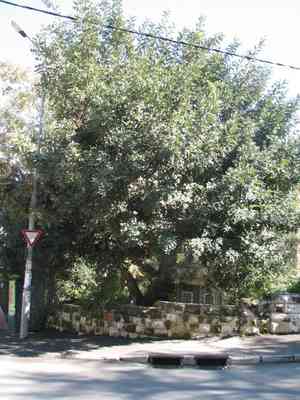
The reproduction of Carob trees generally takes place in the Spring season, employing methods such as Cuttings and Air Layering. This procedure can present a moderate level of difficulty. The emergence of fresh sprouts signifies successful propagation, and sustaining adequate moisture levels is essential.
Optimal Period for Carob Tree Propagation
Propagation Method
Cutting
Propagation Period
Autumn,Winter
Tools Utilized in Carob Tree Propagation
Sharp pruning shears
Crucial for making clean cuts from mature carob tree branches, sharp pruning shears minimize damage and disease risk during cutting. Clean cuts facilitate better healing and rooting.
Rooting hormone
Stimulates root development on carob tree cuttings, enhancing the success rate. A rooting hormone containing indole-3-butyric acid is particularly effective for hardwood cuttings.
Sterilizing solution
Used to sanitize tools, preventing the spread of pathogens among carob tree cuttings. Maintains a healthy environment conducive to successful propagation.
Propagation tray
Offers an organized space for positioning carob tree cuttings, ensuring ample room for growth and development. Trays with individual cells help minimize root disturbance.
Well-draining medium
Essential for carob tree cuttings to establish a robust root system; a blend of perlite, sand, and peat ensures proper aeration and moisture retention without waterlogging.
Humidity dome
Maintains elevated humidity around carob tree cuttings, vital for preventing desiccation until new roots form, thereby improving the overall success rate.
Heating mat
Sustains an ideal temperature for root development in carob tree, especially in cooler climates, accelerating the rooting process and increasing viability.
Post-Propagation Care for Your Carob Tree
Post-Propagation Care for Your Carob Tree
Following propagation, carob tree needs well-drained soil and should be placed in full sun to partial shade. Water young plants regularly to keep the soil moist but not saturated. Prune the young carob tree to encourage a strong structure, and fertilize seasonally with a balanced feed. As carob tree is drought-tolerant once established, reduce watering frequency accordingly. Shield young trees from extreme weather and pests until they mature.
Common Errors to Avoid When Propagating Carob Tree
Ignoring seed quality
Using non-viable or unhealthy seeds can result in poor germination rates. This is especially important for carob tree, which has hard seeds requiring specific conditions to germinate.
Insufficient soaking
Carob tree seeds possess a very hard coat, which impedes water absorption. Failing to adequately soak the seeds before sowing can lead to unsuccessful germination.
Incorrect planting depth
Carob tree seeds or seedlings planted too deeply may not emerge correctly. Conversely, if planted too shallow, they might dry out or fail to establish a strong root system.
Over-watering
Excessive watering can cause root rot and other fungal diseases. Carob tree tolerates dry conditions and does not require frequent watering, especially once established.
Disregarding root system handling
Carob tree has a delicate root system that can be easily damaged during transplanting. Careless handling can stress the plant and hinder successful establishment.
Impatience with germination
Carob tree seeds can take a long time to germinate. Gardeners may mistakenly assume the process has failed and discard the seeds prematurely.
Tips For Propagating Carob Tree
Proper seed pre-treatment
Scarifying the seed coat of carob tree either mechanically or chemically aids in water absorption and promotes germination.
Moisture balance
Maintain a consistent moisture level in the soil to encourage germination without causing waterlogging, which is detrimental to carob tree's root system.
Use of well-draining soil
This is essential to prevent water retention around the roots, which is unsuitable for the health of carob tree.
Gentle root handling
During transplanting, handle carob tree's root system with care to prevent damage. Damaged roots can significantly reduce the plant's ability to establish itself.
Patience with germination time
Carob tree may take several weeks to germinate. It is important to wait patiently and maintain proper growing conditions during this period.
Protecting young plants
Provide sufficient protection from wind, frost, or excessive sun for young carob tree plants until they are well-established and hardy enough to withstand the elements.



