How to Propagate Bleeding-heart vine?
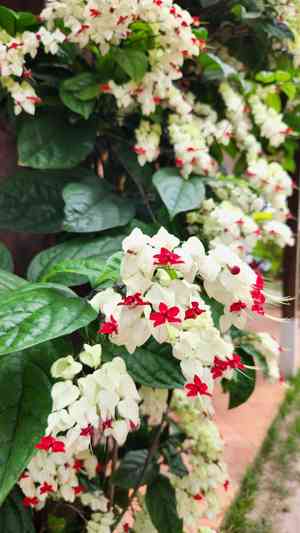
The most effective method for propagating Bleeding-heart vine is via softwood cuttings taken in spring and summer. This process presents a moderate challenge, necessitating a growing medium that drains efficiently and consistent hydration. Indicators of successful propagation are the emergence of fresh sprouts and root development. Cultivators must ensure their implements are sanitized and sustain elevated humidity to maximize propagation outcomes.
Optimal Time for Bleeding-heart Vine Propagation
Propagation Type
Cutting
Propagation Season
Spring, Summer
Tools for Bleeding-heart Vine Propagation
Sharp pruning shears or scissors
These are crucial for making clean cuts on bleeding-heart vine stem cuttings, minimizing damage and infection risk at the cut site. A precise, clean cut promotes better root development once planted.
Rooting hormone powder or gel
This product helps stimulate root growth at the base of bleeding-heart vine cuttings. Dipping the cut end in rooting hormone before planting encourages faster, more dependable root formation, vital for successful propagation.
Sterile potting mix
A well-draining, sterile potting mix offers an ideal environment for bleeding-heart vine cuttings to root. Its sterility prevents fungal and bacterial growth that could harm the cutting before root establishment.
Propagation tray or pots
These containers hold the soil and bleeding-heart vine cuttings. They may or may not have drainage holes and should be selected based on the rooting location (e.g., greenhouse or under a humidity dome).
Plastic humidity dome or plastic bags
These create a high-humidity environment for bleeding-heart vine cuttings, which helps prevent them from drying out before rooting. Consistent humidity improves rooting success rates.
Misting bottle
This tool allows for gentle watering of bleeding-heart vine cuttings without disturbing the soil or planting medium. Regular misting helps maintain essential moisture levels for root development.
Heating mat (optional)
For bleeding-heart vine, providing warmth from below can accelerate the rooting process, especially in cooler temperatures. A heating mat set to a low temperature can create an optimal environment for root growth.
Propagating Bleeding-heart Vine
Propagation Type
Cutting
Difficulty Level
Easy
Caring for Your Newly Propagated Bleeding-heart Vine
How to Care for Your Newly Propagated Bleeding-heart Vine?
After successful propagation, continue to provide bleeding-heart vine with bright, indirect light and consistent moisture; avoid soggy soil to prevent root rot. Bleeding-heart vine thrives in high humidity, so consider using a pebble tray or a humidifier to increase aerial moisture. Fertilize the new bleeding-heart vine with a balanced, water-soluble fertilizer every four to six weeks during the active growth period. Offer a trellis or support for its vining habit, ensure ample growth space, and prune as needed to maintain shape and encourage branching.
Common Propagation Mistakes for Bleeding-heart Vine
Watering issues
Either overwatering or underwatering can severely impact bleeding-heart vine's health. Excessive watering can lead to root rot, which is detrimental as the plant prefers well-drained soil. Conversely, insufficient watering, especially during the rooting phase, can cause the cutting to dry out and fail to establish roots.
Ignoring humidity
Neglecting the humidity needs of bleeding-heart vine can result in unsuccessful propagation. Bleeding-heart vine prefers a high humidity environment to encourage rooting, and without adequate humidity, cuttings may not root effectively.
Poor cutting selection
Using old, weak, or diseased plant material for cuttings can hinder propagation success. Healthy, vigorous stems increase the likelihood of successful rooting and plant development.
Neglecting cleanliness
Failing to sterilize cutting tools can introduce pathogens to bleeding-heart vine, potentially leading to disease and unsuccessful propagation. Clean cuts also enhance rooting by reducing stress on the cutting.
Planting depth
Inserting cuttings either too deep or too shallow can cause problems. Too deep can lead to stem rot, while too shallow may not provide enough support or soil contact for roots to form.
Tips For Propagating Bleeding-heart Vine
Rooting medium
Utilize an appropriate rooting medium that retains moisture yet allows for good drainage. A blend of peat and perlite or vermiculite often works well for bleeding-heart vine.
Stem cutting
Select healthy, semi-hardwood stem cuttings approximately 4-6 inches long with several leaf nodes. Cut just below a node, as this is where roots are most likely to develop.
Humidity maintenance
Maintain high humidity around the cutting, possibly using a plastic bag or a propagation chamber to create a mini greenhouse effect.
Indirect light
Provide bright, indirect light for bleeding-heart vine cuttings. Direct sunlight can be too intense and may lead to desiccation.
Rooting hormone
While not always essential, using a rooting hormone can encourage quicker and more consistent root development for bleeding-heart vine.
Monitoring
Regularly check the soil's moisture levels and the condition of the cuttings to adjust care as needed without over-intervening.



