How to Propagate Summersweet?
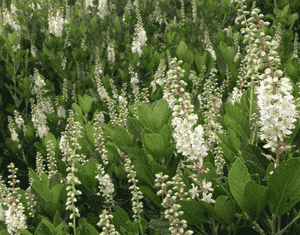
Summersweet reproduces via cuttings and layering, preferably during the fall and winter seasons. Its propagation presents a medium level of challenge. New shoots and root development signify successful propagation. Steady hydration and sufficient illumination are essential.
What Is the Best Time To Propagate Summersweet?
Propagation Type
Cutting
Propagation Season
Autumn,Winter
What Tools Are Used in Summersweet Propagation?
Sharp Pruning Shears
Crucial for making clean cuts on summersweet, sharp shears minimize harm to the parent plant and create a smooth surface for better rooting. A precise cut reduces infection risk and promotes quicker healing.
Rooting Hormone
Utilized to encourage root formation from summersweet cuttings. Applying rooting hormone to the stem's cut end accelerates root development and boosts the likelihood of successful plant establishment.
Sterilizing Solution
Ensures all propagation tools are free of disease-causing agents that could harm summersweet. Sterilizing equipment before use prevents disease transmission during the cutting process.
Propagation Tray
Offers a controlled environment for positioning and nurturing summersweet cuttings. The tray typically has cells or compartments to hold each cutting and maintain moisture, which is vital for rooting success.
Soilless Potting Mix
Provides a sterile, well-draining medium perfect for rooting summersweet cuttings. Soilless mixes are free from soil-borne pathogens and are lightweight, helping to retain moisture and air around developing roots.
Misting Bottle
Helps maintain high humidity levels around summersweet cuttings. Regular misting keeps moisture on the leaves and stem, essential for the plant's survival as it develops roots.
Heating Mat
Gently warms the rooting area, accelerating the root growth rate for summersweet. Consistent bottom heat can significantly improve rooting success, especially in cooler environments.
How to Care for Your Newly Propagated Summersweet?
How to Care for Your Newly Propagated Summersweet?
Once summersweet has been successfully propagated and transplanted, ensure it's in a spot with full sun to partial shade. Keep the soil consistently moist, as summersweet prefers damp or well-hydrated soil. Apply mulch around the base to retain moisture and regulate soil temperature. Fertilize annually in spring with a balanced, slow-release fertilizer. Prune as needed to maintain shape and remove dead or damaged wood, ideally after flowering.
Common Mistakes to Avoid When Propagating Summersweet
Inadequate soil preparation
Soil that doesn't mimic summersweet's natural habitat can impede rooting and growth. If the soil is too dense, too sandy, or lacks organic matter, summersweet may struggle to establish.
Over-watering
While summersweet thrives in moist conditions, excessive watering can lead to root rot. Too much moisture, especially for non-established cuttings, hinders proper root development.
Ignoring humidity needs
Summersweet cuttings require consistent humidity to root successfully. Neglecting the need for a humid environment can result in desiccation and propagation failure.
Deep planting
Planting summersweet cuttings or seeds too deeply can prevent proper germination and growth. Cuttings need to be near the surface to access sufficient oxygen.
Neglecting to harden off
If gardeners fail to gradually acclimate young summersweet plants to outdoor conditions, the plants may experience shock when moved outdoors permanently, leading to wilting or death.
Tips For Propagating Summersweet
Use rooting hormone
Applying rooting hormone to summersweet cuttings can boost the development of new roots, increasing the likelihood of successful propagation.
Maintain ideal soil conditions
The soil should drain well but retain moisture, with ample organic matter to replicate summersweet's natural growing environment.
Ensure adequate light
Summersweet needs plenty of indirect sunlight for successful propagation. Direct sun can harm young cuttings, while too little light can lead to weak growth.
Monitor moisture levels
Keep the soil consistently moist but not waterlogged to support the rooting process for summersweet without causing rot.
Provide support structure
For summersweet cuttings, a support structure can be beneficial, providing stability as they develop their root system.



