How to Propagate Lesser calamint?
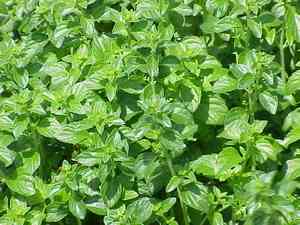
The most effective way to multiply lesser calamint is by taking cuttings, a technique ideal for retaining its unique traits. Cultivators ought to choose robust, non-blooming stems to achieve greater propagation success. Employ a potting mixture that drains efficiently and position the cuttings in diffused light until roots emerge, making sure the substrate stays damp yet not oversaturated.
Optimal Time for Lesser Calamint Propagation
Propagation Method
Cutting
Propagation Period
Spring,Summer
Tools for Lesser Calamint Propagation
Sharp Pruning Shears
These are vital for gathering cuttings from lesser calamint. Sharp blades ensure a clean cut, minimizing harm to the parent plant and boosting the likelihood of successful rooting by preventing excessive bruising or crushing of plant tissues.
Rooting Hormone Powder or Gel
This encourages root development when applied to the cut end of the cutting. It contains hormones that stimulate root formation, essential for lesser calamint, a plant that benefits greatly from accelerated rooting to ensure a higher propagation success rate.
Sterile Potting Mix
A well-draining, sterile potting mix offers the perfect environment for lesser calamint cuttings to root. The mix's sterility helps prevent disease transmission, which is especially important during the sensitive root development phase.
Small Pots or Growing Trays
These containers are used to plant cuttings after treatment with rooting hormone. They should provide sufficient depth for root growth without being excessively large, which can reduce watering and nutrient uptake effectiveness.
Plastic Bags or Propagation Dome
Covering cuttings with a plastic bag or placing them under a propagation dome helps maintain high humidity around lesser calamint, crucial for preventing cuttings from drying out before roots develop.
Watering Can with a Fine Rose
Gentle watering is necessary to keep the potting mix moist but not waterlogged, achievable with a watering can with a fine rose. This tool is particularly useful for lesser calamint, ensuring delicate new roots are not disturbed by strong water flow.
How to Propagate Lesser Calamint?
Propagation Type
Easy
Caring for Newly Propagated Lesser Calamint
Caring for Newly Propagated Lesser Calamint
Once roots are established, transfer the new lesser calamint plants to their permanent spot. They thrive in well-drained soil and full sun to partial shade. Water regularly, especially during dry spells, and apply a balanced fertilizer each spring. Pruning helps maintain a bushy shape and encourages more abundant blooms.
Common Errors to Avoid When Propagating Lesser Calamint
Overwatering
Watering lesser calamint too often can lead to root rot, hindering root development and potentially causing plant death. This is critical because lesser calamint prefers well-draining soil and does not tolerate soggy conditions well.
Deep Planting
Planting lesser calamint cuttings or seeds too deeply can prevent them from receiving adequate light, which is vital for germination and initial growth. This can result in failed propagation or weak seedlings unlikely to survive.
Ignoring Hygiene
Not sterilizing tools or using fresh potting mix can introduce pathogens to lesser calamint. This can lead to disease outbreaks, severely impacting the plant's health and spread.
Tips For Propagating Lesser Calamint
Use Well-Draining Soil
Plant lesser calamint in a mix that drains effectively to prevent waterlogging. This is crucial as lesser calamint is particularly sensitive to excess moisture around its roots, which can cause root rot.
Appropriate Depth and Light
When sowing lesser calamint seeds or planting cuttings, ensure they are placed at a shallow depth. Provide ample light to stimulate strong, healthy growth. This encourages successful germination and rooting.
Maintain Cleanliness
Always use sterilized tools and containers for planting lesser calamint to prevent disease spread. Refresh potting soil regularly to keep it disease-free and conducive to plant health.



