How to Propagate Butterfly pea?
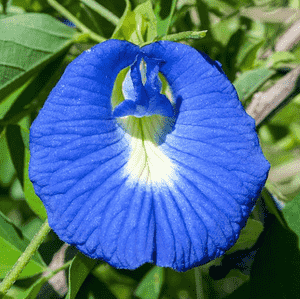
Clitoria ternatea can be multiplied during the spring and summer seasons by employing soft stem sections. This plant readily propagates, with successful multiplication evidenced by the emergence of new roots and shoots. To enhance the likelihood of success, confirm that the cuttings possess a minimum of two nodes, maintain consistent soil moisture, and prevent exposure to direct solar radiation.
Optimal Period for Butterfly Pea Propagation
Propagation Method
Cutting
Propagation Period
Spring, Summer
Tools Required for Butterfly Pea Propagation
Sharpened Pruning Shears
Crucial for obtaining cuttings from butterfly pea, sharp pruning shears ensure a clean, precise cut, minimizing harm to the parent plant and boosting the cutting's rooting prospects. A clean incision reduces potential damage and helps prevent infection.
Rooting Hormone Powder or Gel
This enhances the success rate when propagating butterfly pea via cuttings. Applying rooting hormone to the stem's cut end stimulates root development, helping the cutting establish itself more quickly and effectively.
Sterilizing Agent (e.g., Isopropyl Alcohol)
Used to sanitize pruning shears and any other tools contacting butterfly pea, this prevents disease transmission between plants. Proper sterilization is vital for the health of both the cutting and the parent plant.
Propagation Tray with Dome
Butterfly pea cuttings thrive in a high-humidity environment to prevent moisture loss as roots form. A propagation tray with a clear dome allows light while maintaining humidity, creating an ideal microenvironment for root development.
Perlite or Vermiculite
These soil additives improve aeration and drainage in the propagation medium. For butterfly pea cuttings, a mix including perlite or vermiculite ensures new, delicate roots receive the correct balance of air and moisture they need.
Heating Mat
Butterfly pea cuttings often root more successfully with gentle bottom heat, which a heating mat can provide. This promotes faster growth and a robust root system by maintaining a consistent, suitable temperature for root development.
How to Propagate Butterfly Pea
Propagation Method
Cutting
Difficulty Level
Easy
Caring for Your Newly Propagated Butterfly Pea
Caring for Your Newly Propagated Butterfly Pea
Provide butterfly pea with well-draining soil and position it where it can receive full sun to partial shade. Water consistently, allowing the soil to dry slightly between waterings. Fertilize sparingly during the growing season, and prune butterfly pea as needed to encourage bushier growth and more blooms. In colder regions, consider growing butterfly pea in a container that can be moved indoors during winter to shield it from low temperatures.
Common Errors to Avoid When Propagating Butterfly Pea
Insufficient seed soaking
Butterfly pea seeds have tough outer layers that can hinder germination if not properly softened. Failing to soak the seeds before planting can lead to low germination rates.
Excessive watering
While butterfly pea needs consistent moisture to establish, overwatering can cause root rot and fungal diseases. Too much moisture can suffocate seeds or cuttings, resulting in poor propagation outcomes.
Inadequate sunlight
Butterfly pea flourishes in full sun to partial shade. Not providing enough sunlight can result in weak, leggy growth and reduce the plant's flowering potential.
Incorrect soil medium
Using a soil medium that lacks proper drainage can harm butterfly pea's growth. The plant prefers well-draining soil, and using dense or clay-heavy soils can lead to waterlogging and root disease.
Using diseased or weak cuttings
Propagating butterfly pea with unhealthy or weak cuttings can lead to poor or failed propagation. Selecting cuttings that show signs of disease or weakness can impede the plant's development.
Tips For Propagating Butterfly Pea
Seed scarification
To enhance germination rates for butterfly pea, mechanically scarify the seed coat or soak the seeds in warm water overnight before planting.
Moderate watering
Maintain balanced soil moisture when propagating butterfly pea. Water regularly to keep the soil consistently moist but not waterlogged, encouraging healthy root development.
Adequate sunlight exposure
Place butterfly pea in an area that receives full to partial sunlight. This exposure is vital for the growing plant's energy needs and for promoting blooming.
Appropriate soil mix
Use a well-draining, fertile soil mix to prevent water retention issues. A blend of garden soil, compost, and perlite or sand can provide the right conditions for butterfly pea to thrive.
Select healthy cuttings
Only use vigorous and disease-free cuttings for propagation. Cuttings should have several nodes and be taken from a healthy part of the plant to maximize the chances of successful rooting and growth.



