How to Propagate Lily of the valley?
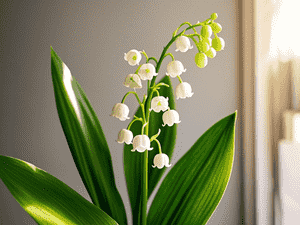
The primary method for multiplying lily of the valley is through separation, ideally performed in the spring or fall. This technique is quite straightforward, and successful multiplication is indicated by the emergence of fresh sprouts and robust development. Ensure that separated sections are promptly replanted to avoid the roots drying out.
Optimal Period for Lily Of The Valley Propagation
Propagation Method
Splitting
Propagation Season
Spring, Autumn
Tools Required for Lily Of The Valley Propagation
Garden Fork or Spade
Utilized to carefully excavate around lily of the valley to lift it from the ground. The robust tines or blade are particularly useful for loosening compacted earth without harming the rhizomes.
Sharp Knife or Pruning Shears
Crucial for making clean cuts through the rhizomes of lily of the valley. A precise cut minimizes damage and lowers the chance of infection, fostering healthier propagation.
Garden Gloves
Protects hands during the splitting process and ensures safe handling of lily of the valley, which can be toxic if touched with bare skin.
Watering Can or Hose with a Gentle Spray Setting
Supplies moisture to lily of the valley after planting. The gentle spray setting is vital for watering plants without displacing newly planted divisions.
Plant Labels and Marker
Used to identify lily of the valley divisions with pertinent details such as the propagation date. This aids in tracking growth progress and necessary aftercare.
Compost or Rooting Hormone
Incorporated into the planting soil or applied to cut rhizomes to stimulate healthy root development and boost the propagation success rate for lily of the valley.
How to Propagate Lily Of The Valley?
Propagation Method
Splitting
Difficulty Level
Easy
Caring for Your Newly Propagated Lily Of The Valley
Caring for Your Newly Propagated Lily Of The Valley
Post-propagation, ensure consistent moisture for lily of the valley without overwatering, as they prefer well-drained, non-waterlogged soil. Keep the area around the plants weed-free and provide extra watering during prolonged dry spells. Shield lily of the valley from harsh, direct sunlight, as they thrive in cool, shaded conditions. Fertilize lily of the valley lightly in spring, if needed. Monitoring and addressing any potential pest or disease issues is crucial for maintaining the health of lily of the valley after propagation.
Common Errors to Avoid When Propagating Lily Of The Valley
Overwatering
This can cause root rot in lily of the valley, as they prefer well-drained soil. Saturated soil deprives roots of essential oxygen, harming the plant's overall health.
Deep planting
Planting lily of the valley rhizomes too deeply can hinder their sprouting as they struggle to reach the surface, potentially leading to failed propagation.
Ignoring soil ph
Lily of the valley thrives in slightly acidic soils; not adjusting the soil pH can impede growth, as unsuitable pH levels can block essential nutrients.
Overcrowding
Planting lily of the valley rhizomes too close together can restrict their growth due to competition for nutrients and space, which can also increase disease risk.
Neglecting disease control
Failing to monitor and manage diseases, such as fungal infections, can lead to poor health of lily of the valley and potentially impact propagation success.
Advice for Propagating Lily Of The Valley
Rhizome division
Gently separate the rhizomes of lily of the valley, ensuring each division has at least one growth bud, for a higher chance of successful propagation.
Appropriate planting depth
Plant the rhizomes of lily of the valley no more than 1.5 inches deep to ensure they can easily sprout and establish themselves.
Sufficient spacing
Allow adequate space between planted lily of the valley rhizomes (about 4-6 inches apart) to promote good air circulation and reduce disease risk.
Soil preparation
Prepare the soil by ensuring it is well-draining and slightly acidic to create optimal growing conditions for lily of the valley.
Moisture management
Maintain consistent moisture for lily of the valley without waterlogging the soil. Using mulch can help retain the correct amount of moisture and regulate soil temperature.



