How to Propagate Turkish hazel?
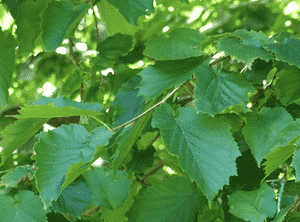
The most effective method for propagating Turkish hazel involves using cuttings. To achieve the best outcomes, choose robust, uninfected cuttings from an established tree. Cut the sections to incorporate multiple nodes, as these are vital for root formation. It is crucial to employ a growing medium that drains efficiently and to sustain steady dampness without oversaturation. Providing the cuttings with a secure setting that offers regulated humidity and warmth will boost the likelihood of successful rooting.
Optimal Time for Turkish Hazel Propagation
Propagation Method
Cutting
Propagation Period
Autumn,Winter
Tools for Turkish Hazel Propagation
Sharp Pruning Shears
Crucial for obtaining clean, precise turkish hazel cuttings, sharp pruning shears minimize harm to both the parent plant and the cutting. A clean cut enhances rooting success by lowering infection risk and providing a larger area for root formation.
Rooting Hormone
This chemical compound stimulates root development in turkish hazel cuttings. Applying rooting hormone to the cut end before planting can significantly boost rooting success, especially for hardwood cuttings which are typically harder to root.
Sterilized Potting Mix
Employing a sterilized potting mix ensures turkish hazel cuttings are planted in a pathogen-free environment, fostering healthier growth and reducing the threat of soil-borne diseases. A light, well-draining mix is preferred to support delicate initial roots without excessive moisture that could cause rot.
Propagation Trays
Ideal for organizing multiple cuttings, propagation trays help maintain consistent moisture and temperature for turkish hazel cuttings. These trays should have adequate drainage and may be used with a humidity dome to retain moisture, vital during early root development.
Heat Mats
Especially beneficial for turkish hazel, heat mats help maintain an ideal soil temperature, which is critical for encouraging root development in cuttings. Keeping the rooting medium consistently warm can significantly improve rooting success rates.
Misting System
Delivers a gentle, continuous mist to maintain humidity around turkish hazel cuttings, preventing dehydration and fostering a suitable microclimate for rooting. Regular misting is particularly helpful in preventing leaf desiccation while roots form.
Turkish Hazel Propagation Difficulty
Propagation Type
Moderately Difficult
Post-Propagation Care for Turkish Hazel
How to Care for Your Newly Propagated Turkish Hazel?
After propagation, gradually introduce turkish hazel to lower humidity by creating small openings in the cover or lifting the dome periodically. Once roots are established, typically after a few weeks, remove the humidity cover. Transplant young plants to larger containers if needed or directly outdoors if climate conditions are suitable. Ensure turkish hazel receives sufficient water, especially during dry spells, and apply a slow-release fertilizer in early spring to support growth. Turkish hazel thrives in full sun to partial shade and requires well-drained soil.
Common Errors to Avoid When Propagating Turkish Hazel
Using inappropriate soil mix
Employing a soil mix that lacks proper drainage can lead to water retention, potentially causing root rot in turkish hazel. Adequate drainage is crucial to prevent waterlogging of the roots, a condition to which turkish hazel is particularly susceptible.
Overwatering during rooting
During root establishment, excessive watering can harm turkish hazel by suffocating roots and encouraging fungal diseases. This negatively impacts root development, which is critical for the successful establishment of new turkish hazel plants.
Improper cutting selection
Turkish hazel requires healthy, vigorous cuttings for successful propagation. Using cuttings that are either too young or too old can result in poor rooting and weak plant growth, significantly reducing propagation success.
Tips For Propagating Turkish Hazel
Use well-draining soil
Utilizing a well-draining soil mix is essential for turkish hazel, as it helps prevent issues related to excessive moisture. This ensures a healthier root environment conducive to successful propagation.
Moderate watering regimen
Implement a moderate watering schedule that keeps the soil consistently moist but not waterlogged. This balance aids in promoting optimal root growth without the associated risks of overwatering.
Select healthy cuttings
Ensure the selection of robust and mature turkish hazel cuttings for propagation. These cuttings should display healthy growth characteristics and be free from any signs of disease or pest infestation, ensuring a higher rate of successful rooting and plant development.



