How to Propagate Parsley Hawthorn?
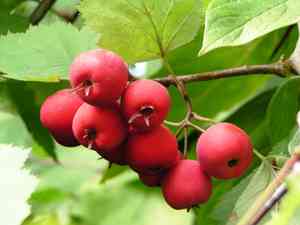
Crataegus marshallii, a unique variety characterized by its intricately toothed, parsley-resembling foliage, is most effectively multiplied via cuttings. To achieve successful propagation, choose vigorous, semi-hardwood stems during periods of active development. Cuttings ought to be dipped in rooting compounds to stimulate root formation and then placed in a porous, damp substrate, maintaining a humid atmosphere to avert desiccation. Gentle manipulation and limited disruption will foster superior root anchoring, resulting in sturdy development.
Optimal Period for Propagating Parsley Hawthorn?
Propagation Method
Cutting
Propagation Period
Autumn,Winter
Tools Required for Parsley Hawthorn Propagation?
Sharp Pruning Shears
These are vital for making clean, precise cuts from parsley Hawthorn. Proper cuts minimize damage to the parent plant, encouraging healthier regrowth and lowering disease risk. Sharp blades are crucial to prevent crushing or fraying stem tissues, which can negatively impact rooting potential.
Rooting Hormone
This chemical substance encourages root growth in plant cuttings. For parsley Hawthorn, applying rooting hormone to the base of cuttings can greatly improve successful rooting, especially since woody plants like parsley Hawthorn can be harder to propagate. The hormone stimulates root cell development and aids better establishment in the soil.
Sterile Potting Mix
A high-quality, sterile potting mix offers a clean, controlled environment for parsley Hawthorn cuttings to root. This medium typically features a balanced blend of peat, perlite, and vermiculite, ensuring good drainage and adequate air circulation around the roots. Sterility is essential to prevent fungal or bacterial diseases that could compromise the cuttings' growth and development.
Humidity Dome or Plastic Bags
Maintaining high humidity around parsley Hawthorn cuttings is critical during their initial rooting phase. A humidity dome or clear plastic bag can cover the cuttings and their container, creating a microenvironment with high moisture that mimics greenhouse conditions. This prevents excessive water loss from the cuttings and supports new root formation.
Heat Mat
This tool is invaluable for providing consistent bottom heat, which significantly aids the rooting process of parsley Hawthorn. A heat mat promotes faster root development by maintaining an optimal temperature range, essential for parsley Hawthorn which may require warmth due to its inherent growing conditions and characteristics.
How to Propagate Parsley Hawthorn?
Propagation Difficulty
Moderately Difficult
Caring for Your Newly Propagated Parsley Hawthorn?
Caring for Your Newly Propagated Parsley Hawthorn?
Once parsley Hawthorn cuttings have rooted and show new growth, gradually acclimate them to less humid conditions by removing the plastic cover and increasing air circulation. Transplant them to larger pots as they grow, using a loamy, slightly acidic soil mix. Water regularly to keep the soil consistently moist, and provide a balanced, slow-release fertilizer during the growing season. Ensure good drainage to prevent root diseases, and prune annually to promote a bushy growth habit and maintain plant health.
Common Errors to Avoid When Propagating Parsley Hawthorn
Overwatering
Excessive watering can lead to root rot in parsley Hawthorn, which thrives better in well-drained conditions. Too much moisture hinders proper root development, making the plant vulnerable to diseases.
Excessive fertilization
Applying too much fertilizer can harm parsley Hawthorn's root growth by causing nutrient burn. This plant generally prefers a balanced approach to nutrients, especially during the sensitive propagation stages.
Improper cutting technique
Incorrect cutting technique, particularly when taking stem cuttings, can damage parsley Hawthorn, leading to poor or no root development. A clean, angled cut helps promote better root regeneration.
Neglecting pest check
Failing to inspect for pests on the parent plant or new cuttings can result in infestations that weaken or kill young propagated plants.
Planting depth inconsistency
Planting cuttings or seeds too deep or too shallow can impede parsley Hawthorn's germination and rooting process. Consistent depth is crucial for proper development.
Tips For Propagating Parsley Hawthorn
Appropriate cutting selection
Choose healthy and vigorous stems for parsley Hawthorn cuttings. This increases the likelihood of successful rooting and overall plant health.
Use of rooting hormone
Applying a rooting hormone to parsley Hawthorn cuttings can significantly boost the rooting success rate by stimulating root development at the cut site.
Well-drained soil
Parsley Hawthorn benefits from well-drained soil, especially during propagation, to prevent waterlogging and subsequent root diseases.
Pest management
Regularly inspect and manage pests on both parent and propagated plants to prevent infestations that can hinder growth and establishment.
Moderate watering
Provide moderate and consistent watering to parsley Hawthorn during the propagation phase to maintain optimal moisture levels for root development without causing waterlogging.



