How to Propagate Poisonbulb?
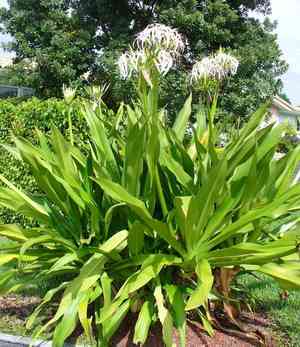
Poisonbulb is best multiplied in Spring using its tubers. The process of propagation is relatively straightforward. Indicators of success involve new shoots and vigorous development. To improve propagation, guarantee correct tuber positioning and sustain appropriate moisture levels.
Optimal Time for Poisonbulb Propagation
Propagation Method
Utilize The Tubers
Propagation Period
Spring
Tools for Poisonbulb Propagation
Sharp Knife or Pruning Shears
These are vital for taking cuttings from poisonbulb tubers. A sterile, sharp blade ensures a clean cut, minimizing plant tissue damage, which aids healing and reduces infection risk.
Potting Mix
A well-draining, nutrient-rich potting medium is necessary for successful rooting of poisonbulb's tubers. This substrate offers essential support and the correct air-to-moisture balance for root growth.
Pots or Planting Trays
Suitable for planting tuber segments, these containers hold the potting mix, allowing poisonbulb to develop its root system in a controlled setting. Size should accommodate growth.
Rooting Hormone
This can be applied to the cut surface of tubers to stimulate root initiation and development. Rooting hormones contain synthetic auxins, mimicking natural growth hormones, boosting propagation success.
Watering Can or Spray Bottle
Used for gentle watering, a watering can with a fine rose or a spray bottle helps maintain proper moisture levels. Overwatering causes rot, while under-watering hinders poisonbulb rooting.
Gloves
Given that poisonbulb implies potentially toxic sap, gloves protect skin from irritation or allergic reactions when handling the plant.
How to Propagate Poisonbulb?
Propagation Type
Utilize The Tubers
Difficulty Level
Easy
Caring for Your Newly Propagated Poisonbulb
Caring for Your Newly Propagated Poisonbulb
After propagating new plants from tubers, proper care is crucial for poisonbulb to flourish. Place the plant where it gets partial to full sunlight, as it prefers warm, sunny conditions. Water regularly to keep soil moist, but avoid overwatering to prevent root rot. Fertilize poisonbulb with a balanced, slow-release fertilizer during the growing season for healthy growth. Monitor for pests and diseases, taking action as needed. As poisonbulb matures, it may need division every few years to manage size and encourage rejuvenation.
Common Propagation Mistakes with Poisonbulb
Overwatering
Excessive watering post-propagation can lead to root rot, where roots are damaged and cannot absorb nutrients. This severely impacts poisonbulb's health and reduces successful propagation chances.
Planting too deep
Planting poisonbulb offsets or seeds too deeply can restrict oxygen and reduce germination or rooting potential. Insufficient air hinders new root development, impeding overall plant growth.
Ignoring aeration
Neglecting proper soil aeration can result in compacted soil, which restricts root growth and inhibits water drainage. Compacted soil leads to poor root health and reduced poisonbulb propagation success.
Using diseased plant material
Propagating with diseased or pest-infested plant material can transfer issues to new plants. Infected material can spread disease and cause propagation failure with poisonbulb.
Inadequate humidity
Incorrect humidity levels can stress poisonbulb propagules, making them prone to drying out or fungal infections. Both scenarios lead to unsuccessful propagation.
Tips for Propagating Poisonbulb
Appropriate moisture
Ensuring consistent, but not excessive, soil moisture is vital. The soil should feel damp but not waterlogged to support healthy root development in poisonbulb.
Proper planting depth
Planting poisonbulb's offsets or seeds at the correct depth promotes proper root growth. Typically, plant at a depth equal to the bulb's height, or the recommended depth for seeds.
Soil aeration
Using a well-draining soil mix and gently loosening the soil prevents compaction, ensuring poisonbulb propagules receive adequate oxygen for root development.
Healthy plant material
Select healthy, vigorous plant material free from disease and pests for the best chance of successful propagation. Thoroughly inspect poisonbulb's prospective offsets or seeds before use.
Humidity control
Creating a balanced humidity environment is essential, especially for poisonbulb's seedlings or new offsets. A humidity tray or enclosure can maintain ideal conditions without overwatering.



