How to Propagate Winter daphne?
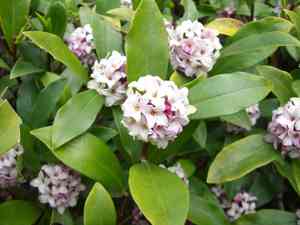
Daphne odora is most effectively propagated via cuttings taken in the spring and summer seasons. While this technique can present some difficulties, the emergence of new shoots and root formation signifies successful propagation. Achieving the best outcomes necessitates both perseverance and appropriate horticultural practices.
Optimal Period for Propagating Winter Daphne
Propagation Method
Cutting
Propagation Period
Spring, Summer
Tools Required for Winter Daphne Propagation
Sharp Pruning Shears
These are crucial for taking cuttings from the parent plant without causing unnecessary damage to the stems. The sharp blades ensure a clean cut, which is vital for the health of both the parent plant and the developing cuttings of winter daphne.
Rooting Hormone
This enhances the probability of successful root development. Rooting hormone contains auxins that stimulate root growth, which can be particularly beneficial for winter daphne, as this plant can be somewhat challenging to root.
Sterile Potting Mix
A well-draining, sterile potting mix offers an ideal environment for the cuttings of winter daphne to establish roots. Sterility helps to prevent disease, and the proper mix promotes adequate moisture retention without waterlogging, which can lead to root rot.
Plant Pots with Drainage Holes
These ensure excess water can escape, which is critical for preventing root rot in new winter daphne cuttings. Ideally, the pots should be small in size to maintain the appropriate moisture level around the young roots.
Plastic Bags or Propagation Dome
They create a humid microclimate around the winter daphne cuttings, which is beneficial for retaining moisture in the air and soil, thereby preventing the cuttings from drying out before they can root.
Heating Mat (Optional)
While not strictly necessary, a heating mat can improve rooting success by keeping the soil at a consistent, warm temperature, which can encourage root development in winter daphne cuttings, especially during cooler months.
How to Propagate Winter Daphne?
Propagation Method
Cutting
Difficulty Level
Moderately Difficult
How to Care for Your Newly Propagated Winter Daphne?
How to Care for Your Newly Propagated Winter Daphne?
After successfully propagating winter daphne, care includes ensuring the plant receives bright, indirect light and is protected from harsh afternoon sun. Maintain consistently moist but well-drained soil. Winter daphne prefers a cooler environment with temperatures ideally between 45 to 60 degrees Fahrenheit (7 to 15 degrees Celsius). Fertilize winter daphne in the spring and again in the fall with a balanced, slow-release fertilizer. Pruning is generally minimal but may be done to shape the plant after it flowers; avoid heavy pruning as it can damage the plant. Monitor for pests and diseases and treat accordingly to maintain health.
Common Mistakes to Avoid When Propagating Winter Daphne
Overwatering
Excessive water can lead to root rot which is detrimental as winter daphne has delicate roots that are prone to disease when conditions are too wet. This mistake can cause the cutting or seedling to die before it has a chance to establish.
Deep planting
Planting cuttings or seeds too deeply can prevent winter daphne from receiving the necessary oxygen, leading to poor root development and plant failure.
Neglecting humidity
Winter daphne cuttings require a consistently humid environment to root successfully. Lack of humidity can result in the drying out of cuttings before they can take root.
Using diseased material
Propagating winter daphne with diseased cuttings can transfer pathogens to new plants, ultimately reducing the success rate of propagation and compromising plant health.
Tips For Propagating Winter Daphne
Sterilize tools
Sterilized cutting tools minimize the risk of introducing disease to winter daphne cuttings, ensuring healthier plant growth.
Moderate watering
Provide just enough water to keep the soil moist for winter daphne. This helps prevent root diseases while supplying the necessary moisture for root development.
Appropriate planting depth
Winter daphne seeds or cuttings should be planted shallowly, so they have adequate access to both moisture and oxygen, which are essential for successful rooting and growth.
Maintain humidity
Using a humidity dome or misting winter daphne cuttings regularly can create a favorable environment for root formation without overwatering the soil.



