How to Propagate Devil's trumpet?
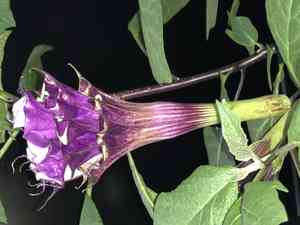
Datura is an attractive yet powerful botanical specimen that flourishes with attentive cultivation. Reproduction through cuttings is the primary technique, involving the severance of Datura segments and their establishment in an appropriate substrate. To achieve successful cutting propagation, choose robust stems, guarantee a precise incision, and furnish a warm, humid atmosphere to stimulate root formation. These measures ensure that new growth will acquire the resilient traits of Datura and thrive within a garden environment.
What Is the Best Time To Propagate Devil's Trumpet?
Propagation Type
Cutting
Propagation Season
Autumn,Winter
What Tools Are Used in Devil's Trumpet Propagation?
Sharp pruning shears
Crucial for making clean, precise cuts on devil's trumpet. A keen blade ensures minimal harm to the parent plant and boosts the cutting's rooting potential. This reduces infection risk and stress on the cutting.
Rooting hormone
Encourages quicker root formation on devil's trumpet cuttings. Dipping the cut end in hormone promotes rapid root initiation and stronger, more robust root systems. This significantly raises propagation success rates.
Sterile potting mix
Offers a clean, nutrient-controlled setting for devil's trumpet cuttings to root. The mix's sterility prevents fungal or bacterial infections that could jeopardize the cuttings' survival.
Pots with drainage holes
Allows excess water to drain, vital for the health of developing devil's trumpet roots. Proper drainage helps prevent root rot and other moisture-related issues.
Humidity dome or plastic bag
Maintains a high humidity level around devil's trumpet cuttings, essential for preventing moisture loss from leaves and stems until roots establish. This tool greatly improves the new plants' overall survival rate.
Heating mat (optional)
Provides a consistent, controlled warm environment perfect for devil's trumpet cuttings to root. Warmth is especially beneficial for stimulating root growth during colder months or in cooler climates.
How to Propagate Devil's Trumpet?
Propagation Type
Moderately Difficult
How to Care for Your Newly Propagated Devil's Trumpet?
How to Care for Your Newly Propagated Devil's Trumpet?
Once roots are established, gradually introduce devil's trumpet to lower humidity by removing the plastic cover. Move the new plant to a larger container or directly into the garden if the climate allows. Position it where it receives morning sun and afternoon shade. Keep the soil moist and apply a balanced, slow-release fertilizer every two months during the growing season. Regularly check for pests and diseases, treating them as needed to maintain plant health.
Common Mistakes to Avoid When Propagating Devil's Trumpet
Overwatering
This can lead to root rot and fungal diseases, which may severely hinder the growth and propagation of devil's trumpet.
Deep planting
If seeds or cuttings are placed too deep, they may struggle to emerge or root correctly, compromising the plant's establishment.
Neglecting humidity
Cuttings of devil's trumpet need a humid environment to root effectively. Insufficient humidity can cause cuttings to dry out and fail to root.
Using poor soil
Soil lacking proper drainage or nutrients can impede root development and overall health in devil's trumpet propagation efforts.
Ignoring contamination
Failing to use sterilized tools or containers can introduce pathogens that may harm devil's trumpet during the propagation process.
Tips For Propagating Devil's Trumpet
Adequate moisture
Maintain balanced soil moistureâdamp but not waterloggedâto encourage healthy root growth without causing rot.
Optimal depth
Plant seeds or position cuttings at the correct depth to ensure effective emergence or rooting.
Humidity control
Use a humidity dome or frequently mist cuttings to provide the necessary humidity levels for successful rooting of devil's trumpet.
Soil quality
Utilize a well-draining, nutrient-rich potting mix to provide a supportive environment for new growth in devil's trumpet.
Sterilization
Sterilize all equipment and containers before use to minimize the risk of disease transmission during the propagation of devil's trumpet.



