How to Propagate Cheddar pink?
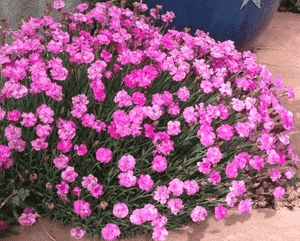
Dianthus gratianopolitanus is most effectively multiplied via cuttings in the Spring and Summer seasons. This technique presents a moderate challenge, yet successful multiplication is evidenced by fresh shoots and foliage emergence. Guarantee a growing medium with good drainage and adequate hydration for peak outcomes.
Optimal Period for Propagating Cheddar Pink
Propagation Method
Cutting
Propagation Period
Spring, Summer
Tools Required for Cheddar Pink Propagation
Sharp pruning shears or scissors
These are vital for making clean cuts from the cheddar pink, avoiding harm to the parent plant or the cuttings. A precise cut helps prevent disease and promotes quicker root development.
Rooting hormone powder or gel
Applying a rooting hormone to the base of the cuttings boosts the likelihood of successful root growth, supplying the cheddar pink cuttings with the necessary auxins to stimulate root formation.
Sterilized propagation tray or pots
Using a clean, pathogen-free environment for the cuttings is essential for preventing infections. These containers offer an ideal space for the cheddar pink cuttings to grow without resource competition.
Seedling heat mat
Maintaining a steady and appropriate temperature at the base of the propagation medium can significantly improve rooting success for cheddar pink cuttings, especially in cooler settings.
Perlite or vermiculite
These are used to enhance drainage and aeration in the propagation medium. They retain the perfect amount of water and air to encourage root growth for cheddar pink without risking waterlogging.
Misting bottle
Regular misting helps to maintain the necessary humidity levels around the cheddar pink cuttings, which is crucial as they lack established root systems to absorb water.
How to Propagate Cheddar Pink?
Propagation Method
Cutting
Difficulty Level
Easy
Caring for Your Newly Propagated Cheddar Pink
Caring for Your Newly Propagated Cheddar Pink
Post-propagation keyword: cheddar pink's thriving growth relies on proper care. Provide full to partial sunlight and well-drained soil. Water sufficiently to keep the soil slightly moist, but be wary of overwatering. Cheddar pink prefers slightly alkaline soil, so lime may be added if needed. During the growing season, fertilize with a balanced, slow-release product. Deadhead spent flowers to encourage more blooms and trim back foliage in late fall to tidy the plant. Protect from severe winter wetness with a layer of mulch or gravel. Monitor for pests such as aphids and address promptly if present.
Common Errors to Avoid When Propagating Cheddar Pink
Overwatering
Providing too much water after propagation can lead to root rot in cheddar pink. This species prefers well-drained soil, and damp conditions may cause fungal diseases which hinder root development and overall growth.
Deep planting
When cuttings or seedlings of cheddar pink are planted too deeply, it can prevent them from receiving adequate sunlight for photosynthesis, potentially leading to etiolation or failure to thrive due to insufficient energy production.
Ignoring root space
Insufficient space for root growth can restrict the development of cheddar pink's root system. A cramped container or garden space limits nutrient uptake, leading to stunted growth and poor propagation outcomes.
Overcrowding
Planting cheddar pink seedlings or cuttings too close together can result in competition for light, nutrients, and water, weakening them and making them more susceptible to pests and diseases.
Advice for Propagating Cheddar Pink
Soil preparation
Provide cheddar pink with well-draining soil enriched with organic matter to promote healthy root development. A mix of loam, sand, and compost is suitable for creating an optimal growing medium.
Cutting selection
Choose healthy, non-flowering stems for cuttings to ensure that the plant's energy is directed towards rooting and establishment rather than blooming.
Use of rooting hormone
Applying a rooting hormone to the cut end of cheddar pink cuttings can stimulate root growth and enhance the chances of successful propagation.
Moderate watering
Maintain consistent but moderate watering for cheddar pink, ensuring the soil is moist but not waterlogged. Proper hydration supports rooting without risking rot or fungal infections.
Adequate spacing
When planting cheddar pink cuttings or seedlings, give them enough space for adequate air circulation and growth, reducing the risk of disease and allowing for a fuller plant development.



