How to Propagate Common Persimmon?
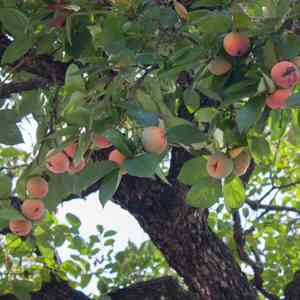
The primary methods for propagating Common Persimmon are grafting and layering, typically performed in spring and winter. This procedure can be somewhat difficult, with the emergence of new shoots signifying successful propagation. To achieve optimal outcomes, ensure correct grafting methods and adequate soil hydration.
Optimal Propagation Period for Common Persimmon
Propagation Method
Grafting
Propagation Period
Spring,Winter
Tools Required for Common Persimmon Propagation
Grafting Knife
A sharp, specialized grafting knife is crucial for making precise cuts on common Persimmon scions and rootstock, which helps ensure clean graft unions. The blade is designed to minimize damage to plant tissues, increasing the chances of successful grafting.
Grafting Tape
This tape is used to securely wrap and hold the graft union of common Persimmon in place. It maintains the necessary pressure to encourage the successful bonding of scion and rootstock while allowing for gas exchange.
Rooting Hormone
Applied to the cut surfaces of common Persimmon scions, rooting hormone can encourage the formation of callus tissue and roots at the graft site, enhancing the establishment of the grafted plant.
Pruning Shears
Pruning shears are used to trim the common Persimmon rootstock and scion to the desired size and shape before grafting. Clean, sharp cuts are crucial for promoting successful healing at the graft junction.
Disinfectant
To prevent disease transmission during the grafting process, a disinfectant is used to sterilize the grafting tools before cutting common Persimmon. This step is vital for maintaining the health of the propagated plant.
Budding Strips or Rubber Bands
These are used to apply additional pressure to ensure a tight bond between the scion and rootstock of common Persimmon. They help maintain the integrity of the graft while still being flexible enough to accommodate growth.
Grafting Wax
Used to seal the graft union and any cut surfaces of common Persimmon to prevent desiccation and protect against pathogens. Grafting wax aids in moisture retention and can promote faster healing.
Healing Compound
A healing compound may be applied to the graft area to promote rapid tissue regeneration and healing for common Persimmon, aiding in the establishment of a strong graft union.
Post-Propagation Care for Your Common Persimmon
Post-Propagation Care for Your Common Persimmon
After grafting, place the grafted common Persimmon in a sheltered location with indirect sunlight. Water the rootstock regularly to maintain moist soil without waterlogging. Monitor the graft for signs of healing and growth, and gradually introduce the plant to more sunlight as it establishes. Once the graft is successful and growth resumes, maintain consistent watering and provide balanced fertilizer during the growing season to support the health and vigour of the common Persimmon. Prune the plant as necessary to shape the canopy and remove any suckers that arise from below the graft site.
Common Mistakes to Avoid When Propagating Common Persimmon
Planting seeds from unripe fruit
Seeds taken from unripe common Persimmon fruit may not be viable and can lead to a poor germination rate.
Over-watering cuttings
Cuttings of common Persimmon have a tendency to rot if the soil is kept too wet. Over-watering can kill young roots before they fully establish.
Neglecting stratification
Failing to stratify common Persimmon seeds can result in poor germination since stratification mimics natural winter conditions, which the seeds need to break dormancy.
Using diseased or damaged scions for grafting
Diseased or damaged scions can lead to unsuccessful grafts and may introduce pathogens to the rootstock of common Persimmon.
Ignoring rootstock health
Using unhealthy rootstock for grafting can compromise the vigor and success of the propagated common Persimmon, as the rootstock supports the scion.
Tips For Propagating Common Persimmon
Use fully ripe fruit for seeds
Ensure that seeds used for propagation are harvested from fully ripe common Persimmon fruits, as this increases the likelihood of germination.
Provide well-draining soil
For cuttings, use a well-draining soil mix to prevent root rot, ensuring the right moisture balance for the developing roots.
Stratify seeds
Mimic winter conditions by stratifying common Persimmon seeds before planting to improve germination rates.
Select healthy scions and rootstock
Choose disease-free, vigorous scions and rootstock to increase the chances of successful grafting.
Maintain optimal humidity for cuttings
Use a humidity dome or plastic bag to create a humid environment for common Persimmon cuttings, which helps prevent them from drying out during root formation.



