How to Propagate Thorny olive?
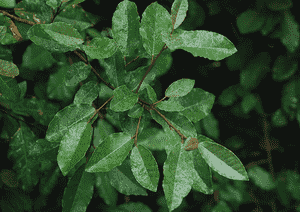
The most effective way to propagate Thorny olive is by taking cuttings in the spring and summer seasons. While it presents a moderate level of difficulty, the formation of roots signifies successful propagation. Ensuring sufficient hydration and applying hormone treatments can significantly improve the chances of successful rooting.
Optimal Period for Thorny Olive Propagation
Propagation Type
Cutting
Propagation Season
Spring, Summer
Tools Required for Thorny Olive Propagation
Sharp Pruning Shears
Crucial for obtaining clean cuts of thorny olive's semi-hardwood stems, sharp pruning shears minimize harm to the parent plant and boost the likelihood of successful rooting. Precise cuts help prevent disease and promote rapid healing of the cut surface.
Rooting Hormone
This chemical compound stimulates root growth in thorny olive stem cuttings. Applying rooting hormone to the cut end of the stem can improve rooting success, encourage uniform development, and shorten propagation time.
Sterilizing Solution (e.g., alcohol or bleach solution)
Tools must be disinfected before and after each use to prevent pathogen spread. This is vital for thorny olive's health, as infections can impede or prevent rooting and subsequent growth.
Propagation Trays
These containers hold thorny olive stem cuttings in a controlled setting. Featuring built-in drainage, these trays are perfect for keeping the substrate moist but not waterlogged, which is essential for new root development.
Suitable Growing Medium
A blend of peat and perlite or vermiculite ensures proper drainage and aeration, creating an ideal environment for thorny olive roots to grow. A sterile medium also lowers the risk of fungal infections, which can be detrimental to cuttings.
Humidity Dome or Plastic Wrap
Maintaining moisture around thorny olive cuttings is important to prevent drying out. A dome or wrap helps sustain high humidity, which is crucial until the cuttings can produce their own water supply through new roots.
Heating Mat
Consistent warmth from below can encourage the rooting process for thorny olive during colder months or in cooler climates. Even, gentle heat stimulates root growth and helps create a stable environment for cutting development.
How to Propagate Thorny Olive?
Propagation Type
Cutting
Difficulty Level
Moderately Difficult
Caring for Your Newly Propagated Thorny Olive
Caring for Your Newly Propagated Thorny Olive
Once propagated, thorny olive should be placed in an area receiving full sun to partial shade. Water the plant when the top inch of soil feels dry. Thorny olive is drought-tolerant once established, so avoid overwatering. Fertilize thorny olive with a balanced, slow-release fertilizer in early spring. Prune thorny olive to maintain desired shape and size and to remove damaged or dead branches. Monitor for pests and diseases and treat as needed. Thorny olive tolerates various soil types but prefers well-draining soil with some organic matter.
Common Errors to Avoid When Propagating Thorny Olive
Overwatering
After potting, gardeners may excessively water thorny olive, leading to root rot and fungal diseases due to poor drainage. Thorny olive prefers well-draining soil and can suffer from too much moisture.
Ignoring soil type
Thorny olive requires well-draining, loamy to sandy soil. Using overly dense or clay-heavy soil types can hinder root growth and negatively impact plant health.
Neglecting to harden off cuttings
Gardeners often forget to acclimate thorny olive cuttings before transplanting them outdoors, which can cause transplant shock due to sudden environmental changes.
Using diseased or weak cuttings
Propagating thorny olive with diseased, pest-infested, or weak parent plant material will typically result in poor or failed propagation due to the compromised state of the cutting.
Planting cuttings too deeply
Inserting thorny olive cuttings too far into the propagation medium can cause the stems to rot before they have a chance to root properly.
Tips For Propagating Thorny Olive
Choose healthy parent plant
Always use healthy and robust parent thorny olive specimens for cuttings to ensure the vigor and vitality of the propagated plants.
Use sharp, sterilized tools
Make clean cuts with disinfected pruning tools to reduce infection risk and encourage better healing and rooting in thorny olive cuttings.
Provide indirect light
Thorny olive cuttings need bright, indirect light as they root. Direct sunlight can cause excessive heat and damage delicate new roots.
Maintain humidity
Higher humidity helps thorny olive cuttings retain moisture and encourages root development without the need for excessive watering that can lead to issues.
Monitor moisture levels
Keep the soil consistently moist but not soggy for thorny olive cuttings, checking regularly to ensure the ideal balance for root formation.



