How to Propagate Weeping lovegrass?
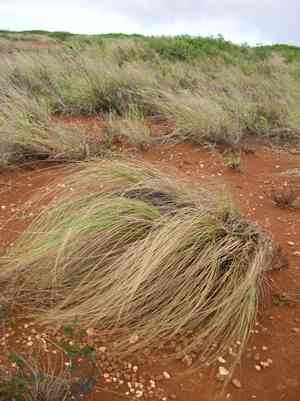
Weeping lovegrass flourishes when multiplied via division, a sensible approach suited to its growth patterns. Begin by gently splitting the root ball at an opportune moment, making sure every segment possesses sufficient roots to sustain fresh development. This strategy enables cultivators to effectively enlarge their assortment while preserving the health and robustness of weeping lovegrass.
Optimal Time for Weeping Lovegrass Propagation
Propagation Method
Division
Propagation Period
Spring,Autumn
Tools for Weeping Lovegrass Propagation
Sharp Garden Spade or Knife
A keen garden spade or blade is essential for division propagation, enabling clean, precise cuts that minimize harm to weeping lovegrass's root systems. This tool ensures each root mass section is separated with minimal tearing, fostering quicker recovery and root establishment post-division.
Rooting Hormone
Rooting hormone powder or gel can be applied to the freshly cut surfaces of weeping lovegrass's roots to boost root growth and improve the overall success rates of propagation by division. This hormone stimulates root development, leading to stronger, healthier new plants.
Watering Can with Fine Rose
A watering can with a fine rose attachment provides gentle irrigation, crucial immediately after dividing and replanting weeping lovegrass. It ensures the soil around new divisions is moist but not saturated, preventing root rot and providing favorable conditions for root establishment.
Garden Fork
A garden fork is useful for gently loosening the soil around weeping lovegrass before lifting it for division, helping to minimize root damage. This tool also aids in mixing amendments like compost, which enhance soil structure and fertility, positively affecting newly propagated plants' growth.
Potting Mix
When dividing weeping lovegrass, using a fresh, sterile potting mix for repotting plant portions helps prevent soil-borne diseases and provides a nutrient-rich environment. This encourages quick adaptation and vigorous growth in the newly propagated divisions.
Propagating Weeping Lovegrass
Propagation Type
Easy
Caring for Newly Propagated Weeping Lovegrass
Caring for Newly Propagated Weeping Lovegrass
Post-propagation, ensure weeping lovegrass is placed in a full-sun location. It prefers well-drained soil and is relatively drought-tolerant, so water sparingly once established. Minimal fertilization is needed. Monitor for pests and diseases, addressing them promptly. Annual thinning of clumps can maintain vigor and reduce overcrowding.
Common Propagation Errors for Weeping Lovegrass
Overwatering
Excessive water can cause root rot in weeping lovegrass, as its roots require well-drained conditions. Constant dampness can hinder root development and increase susceptibility to diseases.
Using poorly draining soil
Employing soil that retains too much moisture can be detrimental for weeping lovegrass. Such conditions may impede root aeration and encourage fungal growth, affecting the plant's overall health.
Planting depth inconsistency
Seeds or young weeping lovegrass plants planted too deep may struggle to emerge or establish properly. This can lead to reduced germination rates and uneven growth.
Neglecting to thin seedlings
Failure to thin out seedlings can result in overcrowding, compromising air circulation and nutrient availability. This may also facilitate the spread of pests and diseases.
Weeping Lovegrass Propagation Tips
Use a light, well-drained medium
For successful propagation, planting weeping lovegrass in a sandy loam or a mix with ample organic matter can improve drainage and provide essential nutrients for growth.
Control watering schedule
Ensure weeping lovegrass receives sufficient water to keep the soil moist but not waterlogged. Allow the top soil layer to dry slightly between watering sessions to promote healthy root development.
Maintain optimal seed depth
When sowing weeping lovegrass seeds, they should be lightly covered with soil, approximately 1-2 mm deep. This ensures adequate seed-to-soil contact while allowing for easy seedling emergence.
Regular thinning of seedlings
Thin out weeping lovegrass seedlings to prevent overcrowding. This practice encourages stronger, more resilient plants by ensuring they have adequate space and resources to grow.



