How to Propagate Loquat?
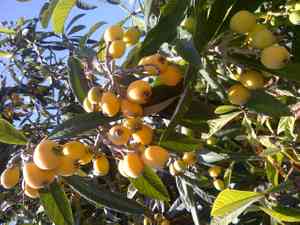
Loquat propagation is most effective in the cooler periods of Spring or Winter, primarily utilizing grafting and layering methods. While somewhat difficult, successful outcomes are evidenced by fresh development. Perseverance is essential.
Optimal Period for Loquat Propagation
Propagation Method
Grafting
Propagation Period
Spring,Winter
Essential Tools for Loquat Propagation
Grafting Knife
A sharp grafting knife is crucial for making precise cuts on loquat scions and rootstocks. The cut's cleanliness impacts graft success by ensuring close contact between cambium layers, promoting efficient vascular union.
Budding Tape or Grafting Tape
This tape secures the graft union, maintaining scion position and alignment while protecting the wound from air and pathogens. Stretchable grafting tape accommodates the natural expansion of the loquat stem as it grows and heals.
Pruning Shears
Sterilized pruning shears are needed to trim loquat plants, preparing both scions and rootstocks. Clean cuts minimize damage and encourage healthy callus formation for successful grafting.
Rubber Bands
Rubber bands can apply consistent pressure around the grafting site to maintain scion-rootstock contact on loquat without damaging plant tissue, which is vital for healing.
Rooting Hormone
While not essential for grafting, rooting hormone can be beneficial when attempting to root loquat scions before grafting. It can improve scion rooting chances, especially if grafting is delayed or the scion is used as a rootstock.
Wax
To seal graft unions, prevent desiccation, and inhibit infections, grafting wax can be applied. This creates a barrier against moisture loss and pathogens while loquat grafts heal.
Labeling Tags
Durable, weatherproof labeling tags record the grafting date, scion variety, and other relevant information, aiding in tracking the success and growth progress of loquat grafts.
Disinfectant
It's important to disinfect all tools before and after use to prevent disease spread between plants. This safeguards the health and viability of loquat during and after propagation.
Magnifying Glass
To ensure proper alignment of cambium layers of scion and rootstock, a magnifying glass can help verify the close contact needed for successful union, allowing for loquat graft adjustments as necessary.
Caring for Your Newly Propagated Loquat
Caring for Your Newly Propagated Loquat
Provide adequate water to the grafted loquat to prevent stress. Protect the newly established graft from extreme weather. Regularly check for pests and diseases, and apply a balanced fertilizer once the graft has successfully taken to encourage vigorous growth. Prune any shoots below the graft to direct the plant's energy to the new scion.
Common Errors to Avoid When Propagating Loquat
Overwatering cuttings
This can lead to root rot or fungal diseases, as loquat's cuttings prefer well-draining soil and do not tolerate soggy conditions.
Excessive sun exposure during initial rooting
Loquat cuttings or seedlings can be sensitive to direct sunlight, which may cause them to dry out or become stressed, hindering root development.
Ignoring pest problems
Loquat can be susceptible to pests like scale insects, aphids, and fruit flies during propagation. Failure to manage these can harm young plants and impact their growth.
Neglecting proper soil preparation
Using poor soil quality or an inappropriate soil mix can lead to insufficient nutrients or drainage for loquat, affecting root growth and plant vigor.
Planting cuttings or seeds too deep
Loquat's cuttings and seeds require a specific depth to root effectively and access air. Planting too deep can limit growth or lead to decay.
Tips For Propagating Loquat
Utilize healthy parent plant material
Selecting disease-free and vigorous branches or seeds from a healthy loquat ensures better rooting potential and overall growth of new plants.
Provide humidity for cuttings
Maintaining a humid environment helps loquat cuttings retain moisture, which is critical for rooting, but ensure to balance it with proper ventilation to prevent mold.
Pre-treat seeds if sowing
Applying a mild scarification or soaking loquat's seeds in warm water before sowing can enhance germination rates by breaking down the tough seed coat.
Sterilize tools and materials
Using clean and sterilized pruning shears, pots, and soil mix prevents introducing diseases or contaminants to loquat's propagation materials.
Gradual acclimatization
Once rooted, loquat's plantlets should be slowly acclimatized to outdoor conditions to reduce shock, which can compromise their establishment.



