How to Propagate Coral bean?
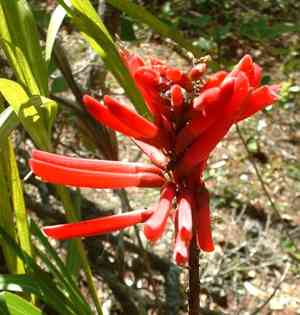
A member of a botanical group celebrated for its vibrant blossoms and adaptability, coral bean flourishes when reproduced via cuttings. Precisely sever a robust stem segment, apply rooting compound to foster better integration, and embed it in porous soil. Providing sufficient hydration and warmth substantially boosts the likelihood of successful rooting. Given appropriate attention, the cuttings will progressively establish roots, evolving into lively new specimens that reflect the allure of their progenitor.
Optimal Period for Coral Bean Propagation
Propagation Method
Cutting
Propagation Season
Autumn,Winter
Essential Tools for Coral Bean Propagation
Sharp Pruning Shears
These implements are crucial for making clean, precise cuts when preparing coral bean cuttings. A clean cut significantly boosts rooting success by minimizing infection risk and damage to both parent and new plants.
Rooting Hormone
This chemical compound encourages root development from coral bean cuttings. Applying it to the cut base of the cutting improves the likelihood of successful root formation, vital for the new plant's survival.
Sterile Potting Mix
Utilizing a sterile growing medium helps create a disease-free environment for coral bean cuttings. This mix supports the cuttings by supplying necessary nutrients and moisture, while also reducing soil-borne disease risks.
Plant Pots or Trays
These vessels hold the sterile potting mix and coral bean cuttings. Selecting the appropriate size and material aids in maintaining moisture levels and provides ample space for root growth.
Plastic Bags or Covers
By covering the cuttings and their containers, a high-humidity microclimate is established, which is critical for successful coral bean rooting. This setup prevents excessive moisture loss from leaves, allowing the cutting to focus on root development without transpiration stress.
Misting Bottle
Used to gently hydrate coral bean cuttings, ensuring the soil remains consistently moist but not saturated. Proper hydration is essential during the rooting phase to prevent cuttings from drying out.
How to Propagate Coral Bean?
Propagation Type
Moderately Difficult
Caring for Your Newly Propagated Coral Bean
Caring for Your Newly Propagated Coral Bean
Once coral bean cuttings have rooted, slowly introduce them to the outdoor environment if they began indoors. After a week, permanently remove the plastic cover. When new growth appears, start light fertilization with a balanced, slow-release product. Ensure the plant gets at least partial to full sun, as coral bean thrives in bright conditions. Water regularly, letting the top inch of soil dry between waterings, and prune annually to encourage bushier growth and better air circulation.
Common Errors to Avoid When Propagating Coral Bean
Overwatering
When propagating coral bean, gardeners might water too often, potentially leading to root rot. Coral bean needs well-draining soil and moderate moisture.
Deep planting
Planting coral bean seeds or cuttings too deeply can impede their germination and growth, as they require light for successful sprouting.
Ignoring pests
Coral bean can be susceptible to pests during propagation. Overlooking signs of infestation can result in the loss of young plants.
Neglecting acclimatization
Coral bean cuttings or seedlings sometimes aren't gradually acclimated to outdoor conditions, which can cause shock and hinder establishment.
Excessive fertilization
Applying too much fertilizer can harm the delicate roots of young coral bean plants and impede their development.
Tips For Propagating Coral Bean
Soil preparation
Use a well-draining soil mix for coral bean to ensure excess water can escape, preventing root rot.
Seed scarification
Before planting, nick coral bean seeds or soak them in water to soften the hard seed coat, which improves germination rates.
Pest monitoring
Regularly inspect coral bean for signs of pests and manage them promptly to ensure healthy plant growth.
Gradual acclimatization
Slowly expose coral bean cuttings or seedlings to outdoor conditions to prevent shock and help them adapt to their growing environment.
Moderate fertilization
Provide a balanced, diluted fertilizer to young coral bean plants to support growth without causing root harm or growth issues.



