How to Propagate Red box?
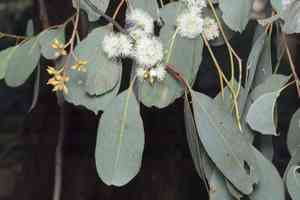
Red box, with its distinctive leaves and bark, brings a special aesthetic to outdoor spaces. Reproduction is primarily achieved through cuttings, which ensures genetic uniformity and robustness. Aspiring cultivators ought to choose robust, semi-lignified sections for cuttings, making sure each piece possesses multiple leaf nodes. Cuttings need to be situated in a potting blend that drains effectively, preserving sufficient dampness without becoming waterlogged. Rooting stimulant can hasten the rooting process, and shielding from harsh weather conditions will boost survival chances. Observing root formation signals the readiness for a successful transplant.
When Is the Optimal Time to Propagate Red Box?
Propagation Type
Cutting
Propagation Season
Fall,Winter
What Equipment Is Used for Red Box Propagation?
Sharp Pruning Shears
These are vital for taking cuttings from red box. Sharp blades ensure a clean cut, minimizing harm to the parent plant and boosting the likelihood of successful rooting. Ideally, the shears should be sterilized prior to use to prevent disease spread.
Rooting Hormone Powder or Gel
This product promotes root development in red box cuttings. By dipping the base of the cutting into rooting hormone, you can significantly increase the chance of successful rooting, which is especially helpful for hardwood cuttings like those from red box that might otherwise root slowly.
Sterile Potting Mix
A well-draining, sterile potting mix prevents disease and supports the initial growth of red box cuttings. The mix should offer sufficient aeration and moisture retention to aid root development without becoming waterlogged.
Propagation Trays
These trays are utilized to hold red box cuttings in a stable environment. They should have good drainage and be deep enough to accommodate the cuttings without overcrowding. Propagation trays help manage environmental conditions, ensuring optimal humidity and temperature for root initiation.
Humidity Dome or Plastic Cover
This item maintains high humidity around red box cuttings, which is crucial to prevent them from drying out before roots establish. The dome or cover also helps maintain a stable temperature, aiding in faster root development.
Heat Mat
A heat mat provides consistent bottom warmth, a key factor in encouraging faster rooting for red box cuttings. This is particularly beneficial during cooler months when ambient temperatures might not be ideal.
How to Propagate Red Box?
Propagation Type
Moderately Difficult
How to Care for Your Newly Propagated Red Box?
How to Care for Your Newly Propagated Red Box?
Red box requires specific conditions including full sun exposure and well-drained soil to flourish. After transplanting, water young plants regularly to establish them, reducing frequency as they mature and develop deeper roots. Avoid heavy fertilization; a slow-release, low-nitrogen formula once a year in spring is sufficient. Monitor for pests, especially in young plants. Red box is generally robust but can be susceptible to issues like eucalyptus gall wasp and leaf spot.
Common Mistakes to Avoid When Propagating Red Box
Insufficient hydration
Improper watering can lead to dehydration or waterlogging of red box. Dehydration may cause the cuttings to wilt and die, while waterlogging can cause root rot.
Overhandling cuttings
Excessive manipulation of red box cuttings can damage their delicate cells and reduce the chances of successful rooting.
Inadequate stem cuttings
Using non-viable or weak stem cutting from red box can lead to poor root development and failure to propagate.
Ignoring disease control
Neglecting to sanitize tools and equipment can introduce pathogens to red box cuttings, hindering their growth or causing disease.
Unsuitable soil media
Using the wrong type of growing medium can prevent red box cuttings from obtaining the necessary nutrients and water for rooting.
Tips For Propagating Red Box
Correct watering
Maintain a balance in watering red box to ensure optimal moisture levels in the soil, promoting healthy root growth without causing rot.
Gentle handling
Handle red box cuttings with care to prevent damage. Place them in the growing medium without applying excessive force.
Healthy cuttings
Select healthy and vigorous stem cuttings from red box, ideally with semi-hardwood characteristic for better rooting potential.
Sanitize tools
Disinfect all cutting tools and pots before use to prevent the introduction of diseases to red box cuttings.
Appropriate soil media
Utilize a well-drained and aerated growing medium for red box, such as a mix of perlite and peat, for optimal rooting conditions.



