How to Propagate Hardy rubber tree?
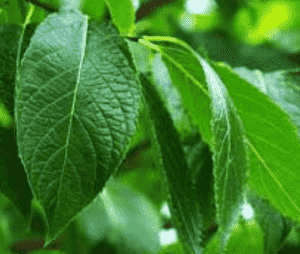
The robust rubber tree can be successfully propagated using stem sections. For optimal results, choose vigorous, semi-lignified shoots. Sever a piece approximately 4-6 inches long, preferably possessing multiple leaf nodes, and immerse the severed tip in rooting compound to stimulate development. Insert the stem into a damp, free-draining substrate and furnish a steady setting with uniform hydration and diffused illumination. A transparent plastic enclosure can aid in regulating humidity, replicating hothouse circumstances that foster root formation while preventing direct solar exposure, which could cause burning.
Optimal Period for Hardy Rubber Tree Propagation
Propagation Method
Cutting
Propagation Period
Autumn,Winter
Tools Required for Hardy Rubber Tree Propagation
Sharp Pruning Shears
These are crucial for making clean, precise cuts on hardy rubber tree branches for propagation. A sharp blade ensures a smooth incision that heals quickly, minimizing damage and promoting better rooting.
Rooting Hormone
This substance helps stimulate root development from hardy rubber tree cuttings. Applying it to the cut end enhances the likelihood of successful root formation, vital for effective propagation.
Sterile Potting Mix
A sterile, well-draining potting medium offers a controlled setting for hardy rubber tree cuttings to root. Its sterility prevents disease and fungal attacks, which is critical during the delicate root development phase.
Humidity Dome
A humidity dome assists in maintaining a consistent moist environment around hardy rubber tree cuttings. This tool is particularly important for preventing cuttings from drying out before they can establish roots.
Heat Mat
For hardy rubber tree, maintaining a steady and warm soil temperature can boost the rooting process. A heat mat helps keep the soil at an ideal warmth, encouraging quicker root growth.
Sterilizing Agent
Used to sanitize all tools before propagation begins. Ensuring that pruning shears, pots, and other equipment are sterile prevents the introduction of pathogens that could harm the health of hardy rubber tree cuttings.
How to Propagate Hardy Rubber Tree?
Propagation Difficulty
Moderately Difficult
Post-Propagation Care for Your Hardy Rubber Tree
Post-Propagation Care for Your Hardy Rubber Tree
Following propagation, once hardy rubber tree cuttings have developed roots, carefully move the new plants to their permanent spot. Gradually introduce them to the typical growing conditions for hardy rubber tree, including a sunny to partially shaded area and well-draining soil. Ensure consistent watering, but allow the soil to dry between waterings to prevent root rot. Fertilize hardy rubber tree with a balanced feed during the growing season to encourage robust growth. Shield young plants from harsh weather and pests, and prune regularly to foster a strong, appealing shape.
Common Errors to Avoid When Propagating Hardy Rubber Tree
Incorrect soil medium
Using an unsuitable soil type can hinder rooting in hardy rubber tree. A medium that is too dense or lacks proper drainage can lead to root rot.
Overwatering cuttings
Keeping hardy rubber tree cuttings excessively wet can cause decay before roots form, impeding successful propagation.
Neglecting humidity
Failing to provide a humid environment for hardy rubber tree can result in cuttings drying out, preventing root formation.
Too much sunlight
Exposing hardy rubber tree cuttings or seedlings to direct sun can cause them to dry or burn, leading to propagation failure.
Impatience with growth
Expecting rapid root development from hardy rubber tree can lead to premature transplantation, damaging delicate roots.
Tips For Propagating Hardy Rubber Tree
Correct soil mix
Utilize a well-draining soil mix with sufficient organic matter to promote healthy root growth for hardy rubber tree.
Moderate watering
Water hardy rubber tree cuttings or seeds just enough to keep the soil moist, avoiding waterlogged conditions.
Maintain humidity
Employ a humidity dome or plastic bag to create a humid microclimate, aiding in the rooting process for hardy rubber tree.
Filtered light
Provide bright, indirect light for hardy rubber tree propagules to encourage growth without scorching.
Patience is key
Allow hardy rubber tree ample time to develop a strong root system before transplanting, as rooting can be slow.



