How to Propagate Evergreen spindle?
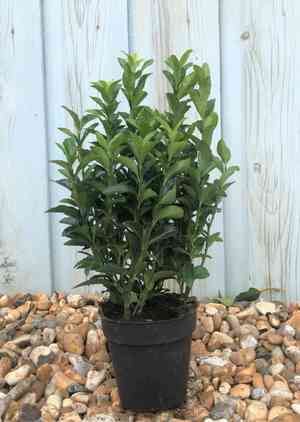
Evergreen spindle is most effectively propagated using cuttings acquired in spring or summer. This process is moderately straightforward, with new development signaling successful rooting. Ensure cuttings remain damp and receive ample, diffused illumination for the best outcome.
Optimal Time for Evergreen Spindle Propagation
Propagation Method
Cutting
Propagation Period
Spring, Summer
Tools Required for Evergreen Spindle Propagation
Sharp pruning shears or scissors
These implements are crucial for making clean incisions on evergreen spindle's stems when collecting cuttings. A keen edge ensures a precise cut, minimizing harm to the parent plant and enhancing the cutting's rooting prospects. Pruning shears are especially suited for accurate cuts on thicker stems, whereas scissors might be better for smaller, more delicate stems.
Rooting hormone powder or gel
This encourages root formation on evergreen spindle cuttings. Applying a rooting hormone to the severed ends of the stems can significantly boost the likelihood of successful root development, as it contains substances that mimic natural plant hormones that induce root growth.
Sterilizing solution (e.g., alcohol or bleach solution)
This is utilized to sanitize cutting tools before and after use to prevent the transmission of diseases among plants. Cleanliness is essential to avoid introducing pathogens that could harm evergreen spindle cuttings.
Pots or trays with drainage holes
These receptacles hold the growing medium where evergreen spindle cuttings will be placed. Drainage holes are vital to prevent waterlogging, which can lead to decay and fungal infections in the cuttings.
Suitable growing medium (e.g., perlite, vermiculite, or a mix)
This substrate provides aeration and moisture retention, which are fundamental for the development of new roots on evergreen spindle cuttings. A well-drained yet moist medium supports healthy root growth without becoming waterlogged.
Plastic covers or propagators
These items maintain high humidity around evergreen spindle cuttings, which helps prevent water loss and wilting until new roots can absorb water from the soil. These are particularly useful for maintaining a stable environment during root initiation.
Heat mat (optional)
For certain plant species, including evergreen spindle, maintaining consistent bottom warmth can improve rooting success. A heat mat provides gentle heat to the base of the rooting medium, stimulating root development.
How to Propagate Evergreen Spindle?
Propagation Type
Cutting
Difficulty Level
Moderately Difficult
Caring for Your Newly Propagated Evergreen Spindle
How to Care for Your Newly Propagated Evergreen Spindle?
Position the new evergreen spindle plants in an area with partial shade to full sun and shield them from harsh conditions until established. Water consistently to keep the soil moist but not saturated, and ensure proper drainage. Fertilize sparingly with a balanced, slow-release fertilizer during the growing season. Prune to achieve the desired shape and to encourage bushier growth. Monitor for pests and diseases, especially euonymus scale, and treat as needed.
Common Errors to Avoid When Propagating Evergreen Spindle
Incorrect cutting size
Taking evergreen spindle cuttings that are either too short or too long can be problematic. Short cuttings may lack sufficient nodes to stimulate root growth, while excessively long cuttings are harder to sustain and may wilt or rot before rooting.
Neglecting hygiene
Using unclean tools or propagating in unsterilized containers can lead to disease and fungal infections in evergreen spindle. Poor hygiene practices can significantly reduce the success rate of propagation.
Overwatering
While evergreen spindle cuttings require moisture to root, excessive water can cause them to rot. Overwatering is a common error that creates an environment conducive to fungal growth and pathogens.
Tips For Propagating Evergreen Spindle
Cutting selection
Choose healthy, disease-free semi-hardwood stems of evergreen spindle that are approximately 4-6 inches long with several leaf nodes. This increases the likelihood of successful rooting.
Rooting hormone application
Utilizing a rooting hormone can assist evergreen spindle cuttings in developing roots more efficiently by stimulating growth at the cut site.
Proper moisture balance
Maintain an appropriate moisture level in the soil to support evergreen spindle cuttings. The soil should be moist but not waterlogged to prevent root rot.



