How to Propagate Dog fennel?
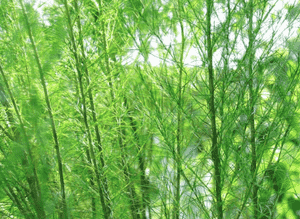
Dog fennel readily reproduces by planting its seeds in the springtime. The emergence of new sprouts and development indicates successful propagation. Guarantee adequate distance between plants and keep the soil damp for peak development.
Optimal Period for Dog Fennel Propagation
Propagation Method
Seeding
Propagation Period
Spring
Essential Tools for Dog Fennel Propagation
Seeds or seed tray
Seed trays are crucial for planting seeds. Since dog fennel produces many tiny seeds, a tray allows for organized placement and adequate spacing to encourage air circulation and reduce fungal disease risk. Trays with clear lids can create a greenhouse effect, enhancing germination.
Fine vermiculite or perlite
Both vermiculite and perlite enhance soil aeration and drainage, vital for dog fennel germination. They also help maintain moisture without waterlogging, creating an ideal environment for seedling growth.
Misting bottle
A misting bottle is used to gently water dog fennel seeds without disturbing them. It provides delicate hydration, essential for fine seeds and tender seedlings sensitive to overwatering.
Sterile potting mix
Sterile potting mix fills seed trays for dog fennel to reduce the risk of soil-borne diseases that could hinder germination and early development. This disease-free medium promotes healthier, more robust seedlings.
Labels and waterproof markers
Labels and waterproof markers identify seed trays with dog fennel planting dates and other relevant details. Proper labeling is important for tracking germination progress and subsequent growth stages.
Heat mat (optional)
A heat mat can provide consistent bottom warmth, which benefits dog fennel seed germination, especially in cooler climates or seasons. It ensures an optimal temperature range for germination.
Soft brush or tweezers
A soft brush or tweezers assist in the delicate handling of dog fennel seeds, allowing even distribution on the soil surface. Their small size requires careful sowing to prevent clumping and maximize successful germination.
Steps to Propagate Dog Fennel
Propagation Method
Seeding
Difficulty Level
Easy
Post-Propagation Care for Dog Fennel
Post-Propagation Care for Dog Fennel
After propagation, consistently water dog fennel to maintain soil moisture, especially as young plants establish. Place dog fennel in full sun to partial shade, as it thrives in bright conditions. Fertilize young plants monthly with a balanced liquid fertilizer during the growing season. Once established, dog fennel is low-maintenance, tolerating some drought due to its adaptability to challenging conditions. Monitor for pests and diseases, though dog fennel is generally pest-resistant. Prune dog fennel to maintain its shape and remove damaged or diseased foliage. Mulch around the base to help retain moisture and suppress weeds.
Common Errors to Avoid During Dog Fennel Propagation
Overwatering during rooting
Excessive watering of dog fennel cuttings can cause rot, as the plant's delicate new roots may not tolerate too much moisture, leading to reduced propagation success.
Using non-sterile tools
Unsterilized tools can introduce pathogens to dog fennel cuttings, increasing disease risk and potentially killing new plants.
Excessive handling of cuttings
Frequent manipulation of dog fennel cuttings can damage developing roots, delaying rooting or causing propagation failure.
Planting cuttings too deeply
Inserting dog fennel cuttings too far into the soil medium can lead to stem rot due to poor air circulation and excessive moisture around the stem.
Ignoring node placement
When propagating dog fennel cuttings, failing to place a node (where leaves attach to the stem) below the soil surface can result in a lower rooting rate, as nodes are primary rooting sites.
Tips for Propagating Dog Fennel
Cutting selection
Choosing healthy, disease-free stem cuttings from dog fennel with at least two to three nodes will increase the likelihood of successful root development.
Soil medium
Using a well-draining, sterile mix reduces the risk of root rot and provides an ideal environment for dog fennel cuttings to form roots.
Humidity control
Maintaining high humidity around dog fennel cuttings, for example using a humidity dome or plastic bag, prevents them from drying out until they can develop roots and helps ensure propagation success.
Indirect light
Positioning dog fennel cuttings in bright, indirect light encourages healthy growth without the risk of scorching delicate new foliage.
Bottom heat
Providing gentle bottom heat can improve root formation in dog fennel cuttings, as it promotes a favorable growth environment.



