How to Propagate Flowering Spurge?
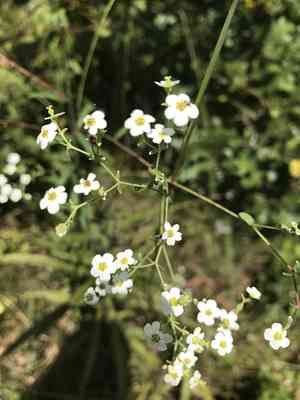
Flowering Spurge flourishes when reproduced via cuttings. To achieve successful propagation, choose robust, unblemished stems. Sever a 4-6 inch segment from a strong branch, preferably with multiple leaves or nodes, ensuring a precise incision directly beneath a node. Detach the lower foliage to expose the nodes, as these are the sites where roots will emerge. Submerge the severed tip into a rooting compound to stimulate root development, then embed it in a well-aerated potting blend. Maintain consistent soil moisture and supply filtered sunlight until the root system is established and fresh growth becomes visible.
Optimal Period for Propagating Flowering Spurge
Propagation Method
Cutting
Propagation Period
Spring,Summer
Tools Required for Flowering Spurge Propagation
Sharp Pruning Shears
Essential for making clean, precise cuts from the parent flowering Spurge plant without causing undue harm to its tissues. A clean cut aids in better wound healing and lowers infection risk, boosting cutting success rates.
Rooting Hormone Powder
Applying rooting hormone powder to the cut end of a flowering Spurge cutting helps stimulate root growth more robustly and quickly. This hormone enhances the chances of a successful propagation by encouraging the development of strong, healthy roots in the new plant.
Sterile Potting Mix
A sterile, well-draining potting mix is crucial for flowering Spurge cuttings. It prevents pathogen introduction that could cause rot or disease, while offering an ideal growth medium that promotes oxygen flow and moisture retention around new roots.
Humidity Dome or Plastic Bag
Maintaining high humidity around flowering Spurge cuttings is vital to prevent drying out before roots form. A humidity dome or a loosely tied plastic bag over the cutting creates a humid microenvironment, supporting better survival and growth rates.
Heating Mat
Optional but beneficial, especially in cooler climates, a heating mat promotes warmth from below. This gentle heat can significantly enhance root development for flowering Spurge cuttings by maintaining an optimal soil temperature consistently, encouraging vigorous growth.
Method for Propagating Flowering Spurge
Propagation Type
Easy
Post-Propagation Care for Your Flowering Spurge
How to Care for Your Newly Propagated Flowering Spurge?
Once roots are established, gradually introduce young flowering Spurge plants to less humid conditions by removing the cover for longer durations daily. Move them to a sunny spot, watering moderately to keep the soil slightly moist. Avoid overwatering, and as they mature, apply a balanced, slow-release fertilizer for healthy growth. Monitor for pests and diseases, especially early on.
Common Errors to Avoid When Propagating Flowering Spurge
Overwatering
Watering flowering Spurge too often can lead to root rot, as this species thrives in well-drained soils. Excessive moisture hinders proper root development, diminishing the plant's overall health and its ability to establish itself after propagation.
Deep planting
Planting flowering Spurge's seeds or cuttings too deeply can impede germination and growth. Flowering Spurge requires a specific planting depth to ensure adequate light exposure and air circulation, which are crucial for successful propagation.
Ignoring soil composition
Using a soil mix that doesn't mimic flowering Spurge's natural gritty, well-drained habitat can lead to poor root growth and increased susceptibility to diseases. The wrong soil type can retain too much moisture, hindering proper root function.
Advice for Propagating Flowering Spurge
Use of root hormone
Applying a rooting hormone to flowering Spurge cuttings can significantly enhance root development. This step promotes healthier, more robust rooting, which is essential for successful establishment after propagation.
Proper seed depth
Ensure that flowering Spurge seeds are sown at a shallow depth, allowing sufficient light exposure necessary for optimal germination. The right depth ensures adequate soil contact without burying the seeds too deeply, which could prevent them from sprouting.
Ensuring good drainage
Preparing a well-draining growing medium is essential for flowering Spurge. Mixtures containing sand or gritty material can mimic the plant's native growing conditions, thereby supporting healthier growth and preventing waterlogging.



