How to Propagate Snow-on-the-mountain?
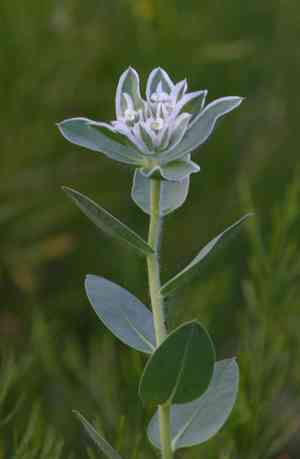
The primary method for propagating Snow-on-the-mountain is by planting seeds in the spring. This species presents a medium level of challenge for propagation. Indicators of successful propagation are robust root development and the emergence of fresh leaves. Provide sufficient soil dampness and ample sunlight to achieve the best outcomes.
Optimal Period for Propagating Snow-on-the-mountain
Propagation Method
Seeding
Propagation Period
Spring
Tools Required for Snow-on-the-mountain Propagation
Seed trays or flats
These containers are used for initiating snow-on-the-mountain seeds, offering an organized space for planting. They assist in maintaining consistent moisture and warmth, both vital for seed sprouting.
Sterilized potting mix
Offers a clean, nutrient-rich medium for snow-on-the-mountain seeds. This reduces disease risk, which is crucial for successful germination and initial growth.
Vermiculite or perlite
These additions enhance soil mix aeration and drainage. Improved air circulation supports the oxygen requirements of snow-on-the-mountain's root systems during germination and early development.
Misting bottle or spray nozzle
Provides gentle irrigation that doesn't disturb snow-on-the-mountain seeds or young seedlings. Sufficient moisture is essential for seed germination and sustaining young plants.
Heating mat
Supplies warmth from below, which can accelerate snow-on-the-mountain seed germination, especially in cooler environments. Consistent, gentle heat is key to successful seed propagation.
Plastic dome or cover
Helps maintain high humidity levels around snow-on-the-mountain seeds and seedlings. Humidity prevents the medium from drying out and supports seedling vigor.
Label and marker
Used for identifying trays containing snow-on-the-mountain seeds. Proper labeling ensures growing conditions can be tailored to the plant's specific needs and prevents confusion with other species.
Grow lights (optional)
These provide supplementary illumination to ensure snow-on-the-mountain seedlings receive adequate light, particularly if natural sunlight is insufficient. Sufficient light is crucial for photosynthesis and healthy growth post-germination.
How to Propagate Snow-on-the-mountain?
Propagation Type
Seeding
Difficulty Level
Simple
Caring for Your Newly Propagated Snow-on-the-mountain
Caring for Your Newly Propagated Snow-on-the-mountain?
Water snow-on-the-mountain regularly to keep the soil consistently moist but not waterlogged, especially during dry periods. Once established, snow-on-the-mountain is drought-tolerant, so adjust watering accordingly. Fertilize sparingly if soil quality is poor, though snow-on-the-mountain doesn't require rich soil to thrive. Avoid excessive fertilization, which can lead to abundant foliage at the expense of its distinctive white-bracted flowers. As a self-seeding annual, snow-on-the-mountain may reseed itself in subsequent seasons if seed heads are left on the plant. Monitor for pests and diseases and manage as needed, but snow-on-the-mountain is generally low-maintenance. Exercise caution when handling snow-on-the-mountain as its sap can cause skin irritation in some individuals. Always wear gloves when working with the plant.
Common Errors to Avoid When Propagating Snow-on-the-mountain
Overwatering
Excessive watering can lead to root rot and fungal issues due to snow-on-the-mountain's preference for drier conditions. Too much moisture around the roots, especially during propagation, can hinder growth and potentially kill young plants.
Deep sowing seeds
Planting snow-on-the-mountain seeds too deeply in the soil can impede germination. Snow-on-the-mountain seeds require adequate light exposure for successful sprouting, and burying them too deeply can obstruct their growth.
Ignoring soil type
Using a soil mixture that retains too much moisture or lacks proper drainage can be harmful to snow-on-the-mountain, as they prefer well-draining soil. Poor soil choice can hinder root development and expose plants to root diseases.
Crowding seedlings
Snow-on-the-mountain seedlings need ample space to develop. Planting them too close together can result in competition for nutrients and light, potentially stunting growth and making plants more vulnerable to pests and diseases.
Neglecting pest management
While snow-on-the-mountain can be quite pest-resistant, it is still susceptible to infestations. Ignoring pest management can lead to weakened plants and reduced success rates during propagation.
Advice for Propagating Snow-on-the-mountain
Proper seed depth
Sowing snow-on-the-mountain seeds on the surface or covering them lightly with soil can enhance germination rates. This allows for sufficient light exposure and air circulation around the seeds, promoting healthy sprout development.
Moderate watering
Maintaining moderate watering practices ensures that the soil around snow-on-the-mountain remains slightly moist but not waterlogged. This balance is crucial for root formation and plant health during propagation.
Soil permeability
Utilizing a well-draining soil mix with amendments like perlite or sand helps prevent excessive water retention, allowing snow-on-the-mountain's roots to develop properly without the risk of rot.
Spacing seedlings
Providing adequate space between snow-on-the-mountain seedlings allows for ample air circulation, proper light distribution, and reduces the risk of disease spread, promoting healthier and more robust plants.
Pest monitoring
Regularly inspecting snow-on-the-mountain propagates for signs of pests and promptly addressing any infestations with appropriate measures can protect young plants from damage and ensure better propagation outcomes.



