How to Propagate Blindness tree?
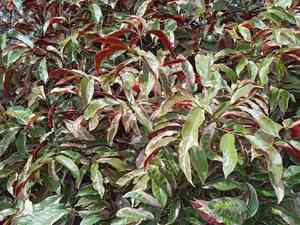
Blindness tree can be successfully multiplied using the cutting technique. To achieve effective propagation, choose a robust branch and employ a keen, sanitized blade to execute a precise incision. It is vital to confirm that the segment contains at least one node, as these are the points from which new roots will sprout. Subsequently, the cutting should be situated in a propagation substrate that drains efficiently and is kept damp, yet not oversaturated. Rooting compounds can boost the likelihood of success by encouraging more rapid root formation.
When Is the Optimal Time to Propagate Blindness Tree?
Propagation Method
Cutting
Propagation Period
Spring,Summer
What Equipment Is Used for Blindness Tree Propagation?
Sharp Pruning Shears
Crucial for obtaining clean, precise cuttings from blindness tree, sharp pruning shears help minimize harm to both the parent plant and the cutting. Clean cuts enhance the cuttingâs rooting potential by reducing infection risk and directing plant energy towards root development instead of wound healing.
Rooting Hormone
This chemical compound promotes root growth from blindness tree cuttings. Applying a rooting hormone to the freshly cut base before planting can significantly boost the chances of successful root formation. This is especially important for blindness tree to ensure rapid establishment and lessen the stress period caused by cutting.
Sterile Potting Mix
Employing a sterile potting mix offers a clean, pathogen-free environment for blindness tree cuttings to root. This lowers the risk of soil-borne diseases affecting new plants during the critical initial stages of root development. A light, well-draining mix is ideal, aiding moisture retention without causing waterlogging.
Propagation Trays
Propagation trays are utilized to organize and manage multiple blindness tree cuttings within a contained space. These trays help maintain consistent moisture and temperature, key factors for successful rooting. Trays should have drainage holes to prevent excessive water accumulation.
Plastic Covers or Domes
Plastic covers or domes fit over propagation trays to maintain high humidity and stable temperatures around blindness tree cuttings. This microclimate mimics a greenhouse, improving rooting chances by preventing cuttings from drying out.
Heat Mats
For blindness tree, maintaining consistent bottom heat can improve rooting success rates. Heat mats gently warm the soil, encouraging active growth in the root zone. This is beneficial during cooler months or in colder climates where ambient temperatures might slow the propagation process.
How to Propagate Blindness Tree?
Propagation Difficulty
Moderately Difficult
How to Care for Your Newly Propagated Blindness Tree?
How to Care for Your Newly Propagated Blindness Tree?
Once roots are established, gradually acclimate the new blindness tree plants to less humid conditions by progressively removing the plastic cover over several days. When stable, transfer them to their permanent location in bright, indirect light and water regularly. Avoid direct sunlight and maintain soil moisture without overwatering. Blindness tree prefers high humidity, so consider a humidity tray or regular misting. Monitor for pests and diseases frequently.
Common Errors to Avoid When Propagating Blindness Tree
Overwatering
Frequent overwatering can lead to root rot, which is particularly detrimental for blindness tree, as it prefers well-drained soil. Excessive moisture around the roots hinders proper air circulation, resulting in weakened root systems and potential plant death.
Using non-sterile tools
When taking parts of blindness tree for propagation, using unsterilized tools can introduce harmful pathogens to the cuttings. This error increases the likelihood of infection and disease, severely impacting propagation success rates.
Ignoring sap protection
Blindness tree produces an irritating latex sap. Failing to wear gloves and protect skin during handling and propagation can cause skin irritation or allergic reactions, compromising gardener safety.
Tips For Propagating Blindness Tree
Proper cutting technique
Using sharp, sterile scissors or pruning shears, make clean cuts on blindness tree's stem. This minimizes damage and stress to the parent plant and improves cutting survival by preventing infection.
Adequate light and humidity
Provide indirect, bright light and maintain a high humidity environment for blindness tree cuttings. These conditions support new root development and plant acclimatization to its new setting.
Use of rooting hormone
Applying a rooting hormone to the cut end of blindness treeâs cuttings can significantly enhance root development. This facilitates quicker and more reliable root growth, crucial for successful propagation.



