How to Propagate Leopard plant?
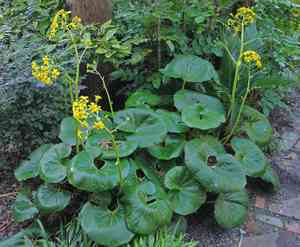
Leopard plant multiplies easily via separation, preferably in spring or fall. This procedure is relatively straightforward, with fresh shoots signaling successful multiplication. Favorable conditions involve damp earth and a root separation that retains several growth points.
Optimal Time for Leopard Plant Propagation
Propagation Method
Division
Propagation Period
Spring, Autumn
Tools for Leopard Plant Propagation
Garden Fork or Spade
These implements are crucial for separating leopard plant at the root level without causing undue harm. A fork can gently lift the plant from the soil, especially if leopard plant has formed a dense cluster. A spade might be used for cutting through thicker roots if necessary, promoting successful separation while minimizing plant stress.
Pruning Shears
Sharp pruning shears are necessary to trim any damaged roots or leaves during the division process. Clean cuts help prevent disease and encourage faster recovery for leopard plant after propagation. Shears with non-stick blades are particularly effective for a precise cut.
Sterile Potting Mix
A sterile potting mix ensures that newly divided leopard plant are planted in a disease-free environment, which can enhance the likelihood of successful establishment. The mix should be well-draining yet retain moisture to suit leopard plant's preferences.
Planting Containers
These are needed when potting up divisions of leopard plant to allow each section to develop roots independently. Containers with adequate drainage holes are vital to prevent waterlogging and root rot, common issues in propagated plants.
Watering Can or Spray Bottle
For gentle irrigation during the initial stages of propagation. A fine spray or a can with a rose attachment is ideal for providing moisture to leopard plant without disturbing the soil or new roots.
Rooting Hormone
While not always essential, rooting hormone can stimulate faster root development for divisions of leopard plant. This is advantageous if the divisions are particularly small or if the plant is known to take longer to establish new roots.
Gloves
Protective gardening gloves are important when handling leopard plant, as they not only shield the gardener's hands from soil and sharp tools but also prevent the transfer of bacteria or fungi that could be detrimental to the plant during the sensitive propagation phase.
Label and Marker
Labels marked with a permanent marker are crucial for identifying leopard plant after propagation, helping to track growth progress, and ensuring that the specific care required by the plant is provided.
How to Propagate Leopard Plant?
Propagation Method
Division
Difficulty Level
Easy
Caring for Your Newly Propagated Leopard Plant
Caring for Your Newly Propagated Leopard Plant
Leopard plant thrives in partial shade or filtered sunlight, with a few hours of direct morning sun being beneficial but not harsh afternoon sun. Maintain consistent moisture, avoiding soggy soil. A rich, well-draining soil with organic matter will help leopard plant flourish. Fertilize sparingly during the growing season. Protect from extreme temperatures; if grown in containers, consider moving them indoors or providing frost protection. Monitor for pests such as slugs and treat as needed.
Common Mistakes to Avoid When Propagating Leopard Plant
Overwatering
Excessive watering while propagating leopard plant can lead to root rot, as it prefers moist but well-drained soil. Too much moisture reduces oxygen availability to the roots, causing them to decay and potentially killing the plantlets.
Excessive direct sunlight
Exposing leopard plant cuttings or divisions to too much direct sunlight can result in leaf scorch and stress, hindering their growth as they typically thrive in partial to full shade.
Planting too deep
Planting divisions of leopard plant too deeply can suffocate the roots and impede the development of new shoots. This error often leads to poor root establishment and may result in plant failure.
Neglecting to maintain humidity
Ignoring the need to maintain adequate humidity levels can cause the leaves of leopard plant to dry out, hindering successful propagation because cuttings and divisions require a consistently humid environment for optimal root development.
Using unsterilized equipment
Propagating leopard plant with unsterilized tools can introduce pathogens, which may lead to infections that compromise the health of the cuttings or divisions.
Tips For Propagating Leopard Plant
Soil aeration
Ensuring the soil or potting mix is light and well-aerated facilitates oxygen availability to the roots of leopard plant, promoting healthy root development and successful propagation.
Partial shade placement
Positioning leopard plant cuttings or divisions in partial shade mimics their natural habitat and protects them from harsh sunlight that could impede their growth.
Bottom heat
Applying gentle bottom heat can encourage root growth in cuttings of leopard plant, thus increasing the chances of successful propagation, especially in cooler environments.
Humidity control
Keeping leopard plant cuttings or divisions in a humid environment, such as by using a humidity dome or misting, helps prevent desiccation and promotes root and shoot development.
Sterile practices
Using sterilized equipment for dividing or taking cuttings of leopard plant prevents the transmission of diseases and ensures healthier plant growth.



